Don't Just Live
Live Younger.
Five anti-aging peptides targeting five distinct molecular hallmarks of aging. The most comprehensive longevity protocol available outside of a clinical trial.
These are clinically studied compounds with peer-reviewed evidence targeting the actual molecular mechanisms of biological aging.
How Old Are You, Biologically?
Rate 10 aspects of your current health and vitality. The assessment calculates your estimated biological age gap and recommends a targeted peptide protocol.
Biological Age Assessment
10 questions to estimate your biological age gap and recommend a protocol
You'll rate 10 aspects of your current health and vitality on a 0–4 scale. The assessment estimates your biological age gap and identifies which aging hallmarks are most relevant for your peptide protocol.
5 Hallmarks of Aging. 5 Targeted Peptides.
Aging is not one process — it's a cascade of simultaneous molecular failures. Each peptide targets a different root cause. Here is the full science.
Telomere Shortening
What It Is
Telomeres are the repetitive DNA sequences (TTAGGG in humans) capping the ends of chromosomes, protecting them like the plastic tip of a shoelace. Every time a cell divides, the telomere shortens by 50–200 base pairs because DNA polymerase cannot fully replicate the terminal ends. When telomeres shorten below a critical threshold, cells enter senescence (permanent cell cycle arrest) or undergo apoptosis. Critically, many cells with critically short telomeres do neither — they become senescent cells that secrete a pro-inflammatory cocktail called the SASP (senescence-associated secretory phenotype), actively accelerating aging in surrounding tissue. Telomere length is measurable in blood and is one of the most clinically validated biomarkers of biological age.
How It Drives Aging
Shorter average telomere length in white blood cells (leukocyte telomere length, or LTL) is associated with increased all-cause mortality, cardiovascular disease, Alzheimer's disease, type 2 diabetes, and multiple cancers. Studies of identical twins show that the twin with shorter telomeres at any given age has significantly higher risk of age-related diseases. The causal relationship is bidirectional: short telomeres accelerate aging, and the hallmarks of aging (inflammation, oxidative stress, metabolic dysfunction) in turn accelerate telomere shortening, creating a vicious cycle that compounds over decades.
Epithalon: Evidence and Timeline
Epithalon (Ala-Glu-Asp-Gly), a tetrapeptide from the pineal gland, activates telomerase (hTERT) — the enzyme that adds TTAGGG repeats back to shortened telomeres. In Khavinson's landmark 12-year human trial (2012), elderly patients receiving Epithalon twice yearly showed 28% mortality reduction versus untreated controls over the full study period. In vitro studies show measurable telomere lengthening within 3–6 months of supplementation. The practical expectation: acute effects within weeks (improved sleep, energy — via Epithalon's pineal/melatonin regulation), with telomere-level impact accumulating over months to years of twice-annual cycling.
Epigenetic Drift
What It Is
Epigenetics refers to changes in gene expression that do not alter the DNA sequence itself but change which genes are switched on or off. DNA methylation patterns — the primary epigenetic clock used to measure biological aging — drift systematically over time. Steve Horvath's DNA methylation clock (2013) can predict biological age from blood to within 3.6 years with accuracy that surpasses all other known aging biomarkers. As we age, the methylation patterns that kept pro-inflammatory, pro-fibrotic, and oncogenic genes suppressed become dysregulated — turning on genes that should be off and silencing genes that drive youthful cellular function.
How It Drives Aging
Epigenetic drift is arguably the most encompassing aging mechanism because it determines the expression of every other aging pathway. Drifted methylation patterns upregulate inflammatory cytokines (contributing to inflammaging), downregulate antioxidant genes (exacerbating oxidative stress), and upregulate fibrotic pathways (contributing to tissue stiffening and organ dysfunction). The good news: unlike DNA sequence mutations, epigenetic changes are reversible. Yamanaka factor reprogramming studies have shown that epigenetic age can be reversed — and GHK-Cu represents a peptide-level intervention in this same direction.
GHK-Cu: Evidence and Timeline
GHK-Cu (glycyl-L-histidyl-L-lysine copper complex) modulates over 4,000 human genes, resetting the expression patterns of aged fibroblasts toward youthful states. Specifically, GHK-Cu upregulates antioxidant genes (SOD1, catalase), anti-inflammatory pathways, collagen synthesis genes, and DNA repair pathways — while downregulating pro-inflammatory and fibrotic genes. Clinical effects appear at 4–8 weeks: measurable improvement in skin collagen density, reduced fine lines, improved wound healing response. The gene expression changes — the deeper anti-aging mechanism — accumulate over months of consistent use.
Mitochondrial Dysfunction
What It Is
Mitochondria — the cell's energy generators — produce ATP through the electron transport chain (ETC) located on the inner mitochondrial membrane (IMM). Cardiolipin, a unique phospholipid found only in the IMM, is essential for maintaining the electrochemical gradient that drives ATP synthase. With age, cardiolipin becomes oxidized and structurally damaged, causing cytochrome c (a critical ETC component) to detach from the inner membrane. This disrupts electron flow, reduces ATP output, increases reactive oxygen species (ROS) production, and — critically — triggers the release of pro-apoptotic signals. By age 70, mitochondrial ATP production in muscle cells has declined by 40–50%.
How It Drives Aging
Mitochondrial dysfunction drives aging through multiple simultaneous mechanisms. Reduced ATP output impairs every energy-demanding cellular process: protein synthesis, DNA repair, membrane maintenance, and immune function. Increased ROS production from a dysfunctional ETC creates oxidative stress that damages DNA, proteins, and lipids in a self-amplifying cycle. Mitochondrial dysfunction also impairs AMPK signaling (the cellular energy sensor), disrupts autophagy (cellular cleaning), and contributes to the chronic low-grade inflammation (inflammaging) characteristic of aging through mtDNA leakage. Muscle fatigue, cognitive decline, cardiovascular dysfunction, and immune senescence all have mitochondrial dysfunction as a significant contributing factor.
SS-31: Evidence and Timeline
SS-31 (Elamipretide) is a tetrapeptide that preferentially concentrates on the inner mitochondrial membrane by electrostatic interaction. It binds directly to cardiolipin, stabilizing its structure and preventing cytochrome c dissociation. This restores ETC complex I/III activity, increases ATP production, and dramatically reduces mitochondrial ROS output. In aging mouse models, SS-31 reverses age-associated declines in muscle function, cardiac output, and kidney function. Phase II/III clinical trials show significant improvement in heart failure patients. The timeline: energy improvements and exercise tolerance changes are often noticeable within 2–4 weeks of starting SS-31, with progressive structural mitochondrial improvements accumulating over months.
NAD+ Depletion
What It Is
NAD+ (nicotinamide adenine dinucleotide) is a coenzyme found in every living cell that serves as the essential cofactor for hundreds of metabolic reactions. Its concentration in human tissue declines by approximately 50% between age 20 and 60 — a consistent finding across tissue types and species. This decline is driven by multiple simultaneous processes: increased consumption by PARP enzymes (which use NAD+ for DNA repair in response to accumulating DNA damage), increased consumption by CD38 (a NAD+ glycohydrolase that increases with aging-associated inflammation), and reduced biosynthetic capacity as the NAD+ salvage pathway declines.
How It Drives Aging
NAD+ depletion is uniquely impactful because it throttles two of the most critical longevity pathways simultaneously. First, sirtuins (SIRT1-7) — the deacetylase enzymes that regulate DNA repair, inflammation, metabolism, and cellular stress responses — require NAD+ as a cofactor. When NAD+ falls, sirtuin activity falls with it, removing a key brake on aging-associated gene expression changes. Second, PARP enzymes require NAD+ for DNA repair — as DNA damage accumulates with age, PARP demand increases, depleting NAD+ faster and creating a vicious cycle where DNA damage accelerates the depletion of the very coenzyme needed to repair it.
NAD+ Direct: Evidence and Timeline
Direct NAD+ supplementation via SC injection or IV delivers the coenzyme without relying on the NMN/NR biosynthetic pathway (which becomes less efficient with age). David Sinclair's Harvard lab demonstrated that restoring NAD+ levels in aged mice reverts vascular aging, improves muscle function, and enhances DNA repair capacity. Clinical trials of NMN supplementation show measurable improvements in muscle insulin sensitivity and physical performance in older adults. The injectable route achieves serum levels 10–20× higher than oral precursors. Expected timeline: energy, cognitive clarity, and exercise recovery improvements typically appear within 2–4 weeks of daily supplementation.
Cellular Senescence & Collagen Breakdown
What It Is
Cellular senescence — the state of permanent cell cycle arrest in response to stress, telomere shortening, or oncogenic signaling — accumulates with age and is a major driver of tissue dysfunction. Senescent cells secrete the SASP (senescence-associated secretory phenotype): a mixture of inflammatory cytokines, matrix metalloproteinases (MMPs), and growth factors that degrade the extracellular matrix, destroy neighboring cells' collagen architecture, and promote chronic inflammation. Structurally, this manifests as declining skin collagen density (1% per year after age 30), increased wrinkle depth, reduced skin elasticity, and the general structural decline of connective tissue throughout the body.
How It Drives Aging
Senescent cell accumulation drives aging through the SASP — which creates a chronically inflammatory tissue environment that accelerates the aging of neighboring cells, impairs stem cell niches, and disrupts organ function. SASP-derived MMPs break down collagen in skin, joints, and vasculature simultaneously. The visible consequences — sagging skin, deepening wrinkles, joint stiffness, atherosclerosis — are structural manifestations of the same underlying senescent cell burden. Clearance of senescent cells (senolytics) is a major area of longevity research, but simultaneously supporting the extracellular matrix and inhibiting the neuromuscular contractions that accelerate surface aging offers a complementary approach.
SNAP-8 & GHK-Cu: Evidence and Timeline
SNAP-8 (acetyl octapeptide-3) inhibits the SNARE complex at neuromuscular junctions, reducing catecholamine release and the muscle contractions that form dynamic expression lines — a mechanism analogous to Botox but without systemic neuromuscular effects. Clinical trials show 63% reduction in wrinkle depth at the expression lines after 28 days of twice-daily topical application. GHK-Cu simultaneously counteracts SASP-driven MMP overexpression, upregulates TIMP (MMP inhibitors), and drives new collagen synthesis. Together, these two peptides address both the cause (MMP-driven collagen breakdown) and the mechanical driver (neuromuscular contraction) of visible skin aging. Visible effects typically appear at 4–6 weeks; structural collagen changes are measurable at 3 months.
Anti-Aging Stack Calendar
The most effective longevity protocol layers cyclical and ongoing interventions across the full year. This calendar represents the optimal annual protocol.
Telomere Foundation
The Epithalon cycle bookends the year and is the highest-priority intervention. Run two 10-day cycles in month 1 (days 1–10, then days 21–30) for maximum initial telomere activation.
Epigenetic & Structural Reset
This 4-month block builds the deepest longevity gains. GHK-Cu gene modulation and SS-31 mitochondrial repair are cumulative — the longer the continuous run, the greater the benefit.
Mid-Year Telomere Boost
The mid-year Epithalon cycle maintains telomere length gains from months 1–2. Adding CJC-1295/Ipamorelin nightly from this point leverages the improved cellular environment to drive hormonal optimization.
Maintenance & Optimization
The second half of the year consolidates the structural and genetic changes initiated in months 1–6. SNAP-8 topical is particularly visible in this window — 6 months of daily application produces clinically significant skin improvements.
A Multi-Target
Longevity Protocol
No single intervention can address all hallmarks of aging simultaneously. The anti-aging stack combines five clinically studied compounds that work on complementary mechanisms — targeting aging at the genetic, epigenetic, mitochondrial, cellular, and structural levels.
This is not anti-aging cosmetics. This is molecular biology — the same mechanisms studied by leading longevity researchers at Harvard, Stanford, and the Buck Institute.
Anti-Aging Blood Panel:
What to Test and When
Objective biomarker tracking is the most powerful way to confirm that your longevity protocol is working at the cellular level. Test before starting, and retest at 3–6 months. Here is what to measure and what the results mean.
Hormonal Axis
Growth hormone/IGF-1 axis status. BPC-157 upregulates GHR; CJC-1295/Ipamorelin should increase IGF-1 measurably by 3 months.
Decline with age is well-established. Epithalon and NAD+ may partially support hormonal optimization. Track trend, not single value.
Important context for testosterone. Imbalanced T/E2 ratio accelerates aging — particularly relevant for those adding HRT.
The most consistent biomarker of adrenal aging. Declines linearly from the 30s. NAD+ and Epithalon may partially support adrenal function.
Inflammation & Oxidative Stress
High-sensitivity C-reactive protein is the most reliable marker of chronic low-grade inflammation (inflammaging). GHK-Cu should reduce CRP measurably by month 3.
A primary SASP cytokine from senescent cells. Elevated IL-6 predicts accelerated aging and all-cause mortality. Target of GHK-Cu and NAD+ (via sirtuin activation).
Oxidative DNA damage marker. SS-31 and NAD+ should reduce this over time as mitochondrial ROS production is reduced.
Metabolic Function
Insulin resistance is one of the most age-accelerating metabolic states. NAD+ and SS-31 both improve insulin sensitivity via SIRT1 and mitochondrial restoration.
Long-term glucose regulation. Advanced glycation end-products (AGEs) from chronic hyperglycemia crosslink collagen and accelerate aging — a direct mechanism GHK-Cu counteracts.
Baseline kidney and liver function. No known effect of the longevity stack on these markers, but important to establish baseline.
Longevity-Specific
Direct measure of Epithalon's primary target. Commercial testing (LifeLength, Repeat Diagnostics) provides age-adjusted percentile. Expect measurable change after 6–12 months of twice-annual Epithalon cycling.
Horvath DNAm clock or equivalent (TruAge, GlycanAge). The most comprehensive single biomarker of aging rate. GHK-Cu's gene modulation should be detectable on repeated testing at 6–12 months.
Direct measure of NAD+ repletion. Currently available through specialized longevity labs. Confirms that your supplementation route is achieving adequate systemic levels.
Testing Timeline Recommendation
Complete hormonal panel, hsCRP, metabolic panel, HbA1c, fasting insulin. Optional: telomere length and DNAm clock for motivated users.
hsCRP, IGF-1, metabolic panel. Early response markers should already show improvement — validates protocol is working.
Full panel including telomere length and DNAm clock if available. This is the window where the deepest longevity biomarker changes become measurable.
Expected Outcomes by Biomarker
Based on peer-reviewed literature and documented research findings for each peptide.
| Biomarker / Outcome | Untreated Aging | With Protocol | Key Peptide |
|---|---|---|---|
| Biological Age Score | Chronological + lifestyle damage | Can reduce 5–15 years on epigenetic clocks | Epithalon + GHK-Cu |
| Mitochondrial ATP Output | Declining ~1–2%/year post-30 | Restored toward youthful function | SS-31 + NAD+ |
| Skin Collagen Density | Reducing with each decade | Increases with GHK-Cu within weeks | GHK-Cu + SNAP-8 |
| Telomere Length | Shortens 50–200bp per year naturally | Slowed/arrested + partial regrowth | Epithalon |
| Expression Line Depth | Deepens with repeated muscle movement | 63% reduction in 28-day trial | SNAP-8 |
| Energy & Fatigue | Increasing fatigue due to mito decline | Measurable improvement in 2–4 weeks | NAD+ + SS-31 |
*Based on peer-reviewed animal and human studies. Individual results vary.
The Science Timeline
Three decades of longevity peptide research leading to today's protocols.
Epithalon synthesized by Prof. Vladimir Khavinson at St. Petersburg Gerontology Institute — first telomerase-activating peptide
Loren Pickart publishes landmark GHK-Cu study showing 4,000+ gene modulation in human fibroblasts
Szeto-Schiller peptides (SS-31) developed — cardiolipin-targeting compounds restore mitochondrial function in aging cells
David Sinclair (Harvard) identifies NAD+ / sirtuin axis as fundamental longevity pathway — catalyzes NMN/NAD research wave
Epithalon 12-year human trial published — 28% mortality reduction in treated group vs. placebo
SS-31 enters Phase II clinical trials for heart failure (Stealth BioTherapeutics) — mito repair moves from lab to clinic
GHK-Cu enters wound healing and skin aging clinical trials — clinical validation of 4,000+ gene modulation claim
Multi-target longevity protocols combining telomere, mitochondrial, and epigenetic approaches become standard research focus
Anti-Aging Peptides
Epithalon, GHK-Cu, SS-31, NAD+, and SNAP-8 — the complete longevity stack
 Anti-Aging
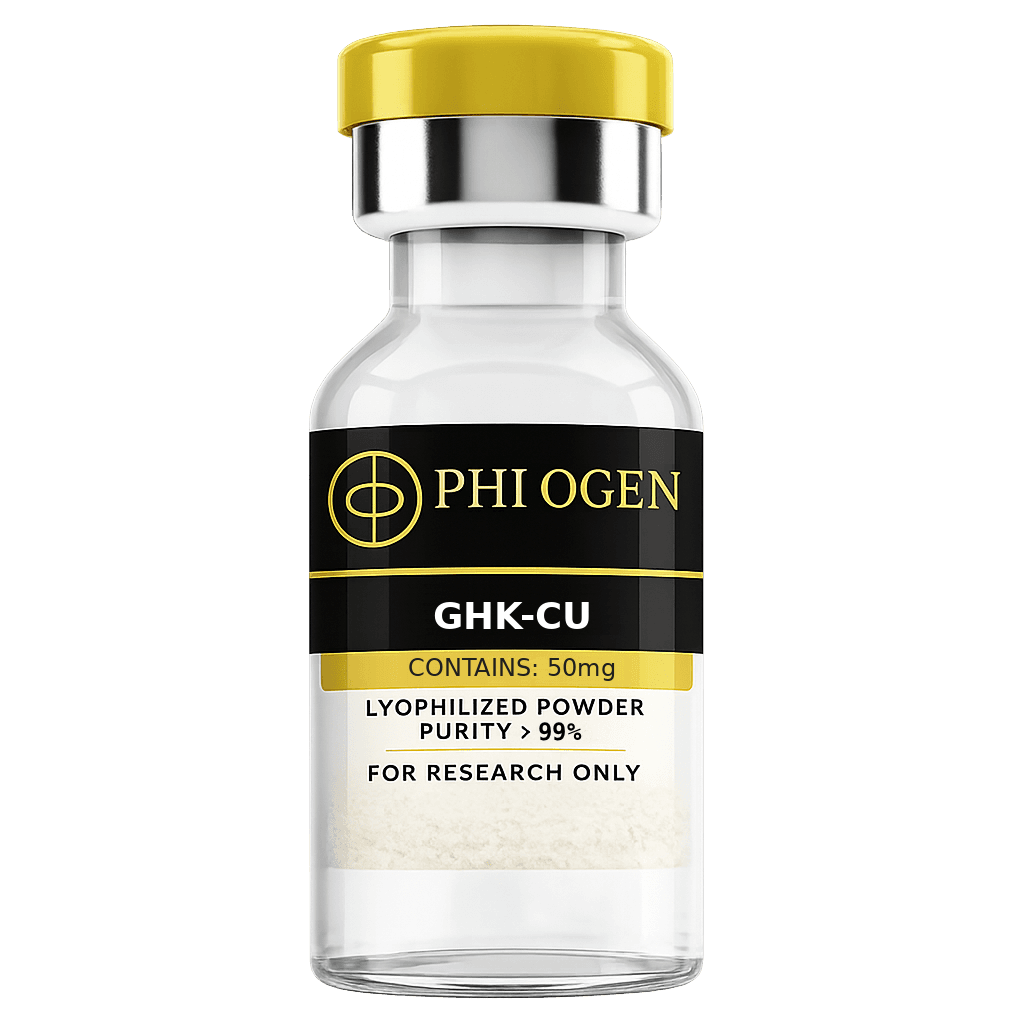
GHK-Cu
Copper Peptide That Resets Your Genes
Cheap GHK-Cu — GHK-Cu (Copper Peptide) reverses the gene expression of 31% of aged genes, rebuilds collagen, and activates cellular cleanup — the master anti-aging signal.
 Anti-Aging
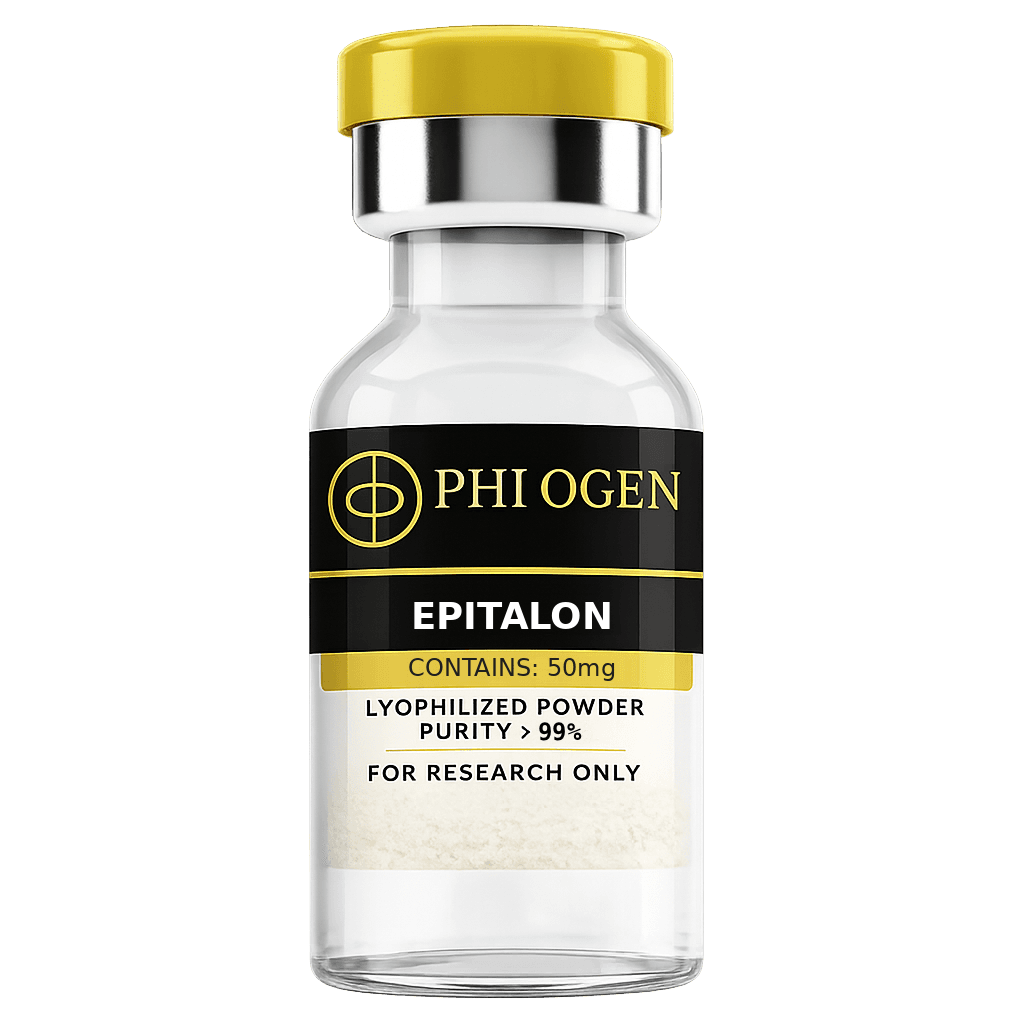
Epithalon
Telomere Extension & Longevity Master
Trusted Epithalon — Epithalon is the only known compound to stimulate telomerase and lengthen telomeres — with a 28% mortality reduction shown in a 12-year human clinical trial.
 Anti-Aging
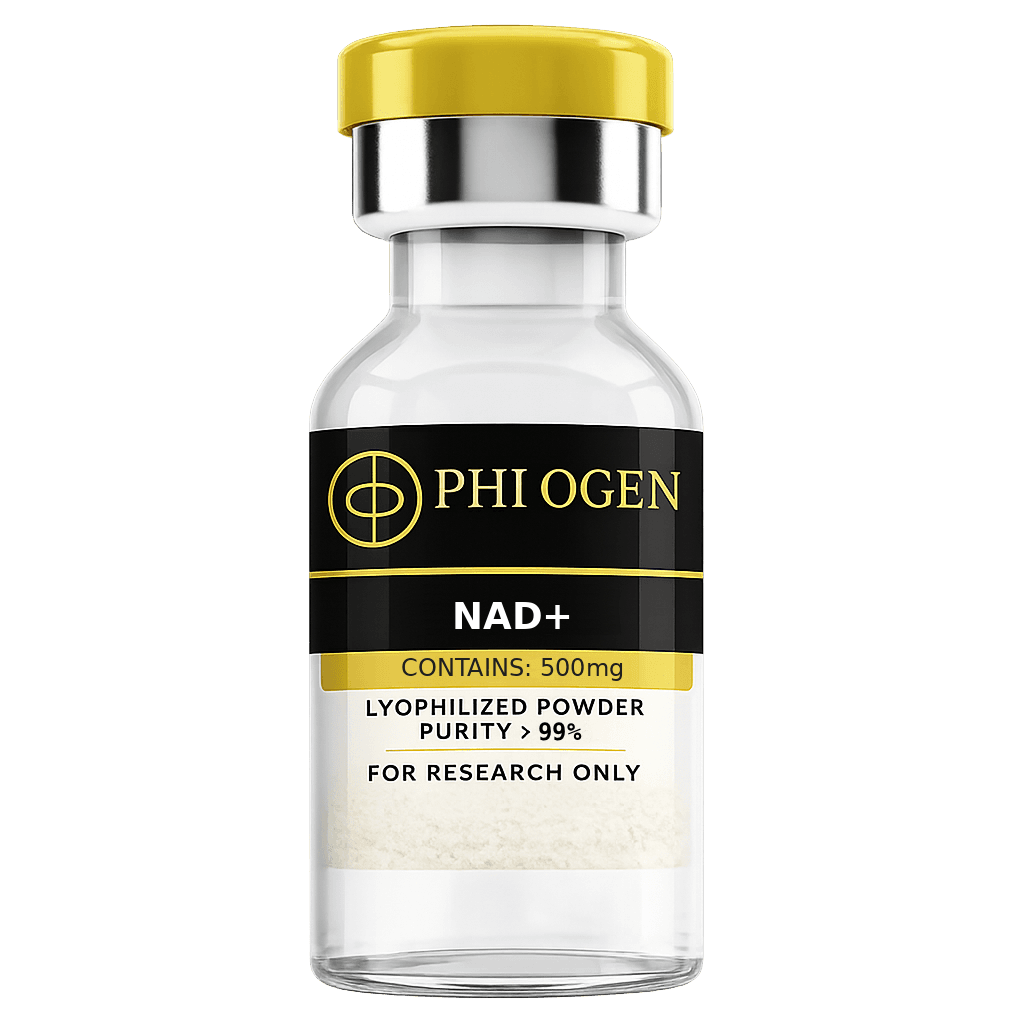
NAD+ 500mg
Cellular Energy & Longevity Cofactor
Verified NAD+ 500mg — NAD+ is the master cellular energy molecule that declines 50% by age 50 — supplementation restores sirtuin activity, DNA repair, and mitochondrial function.
 Anti-Aging
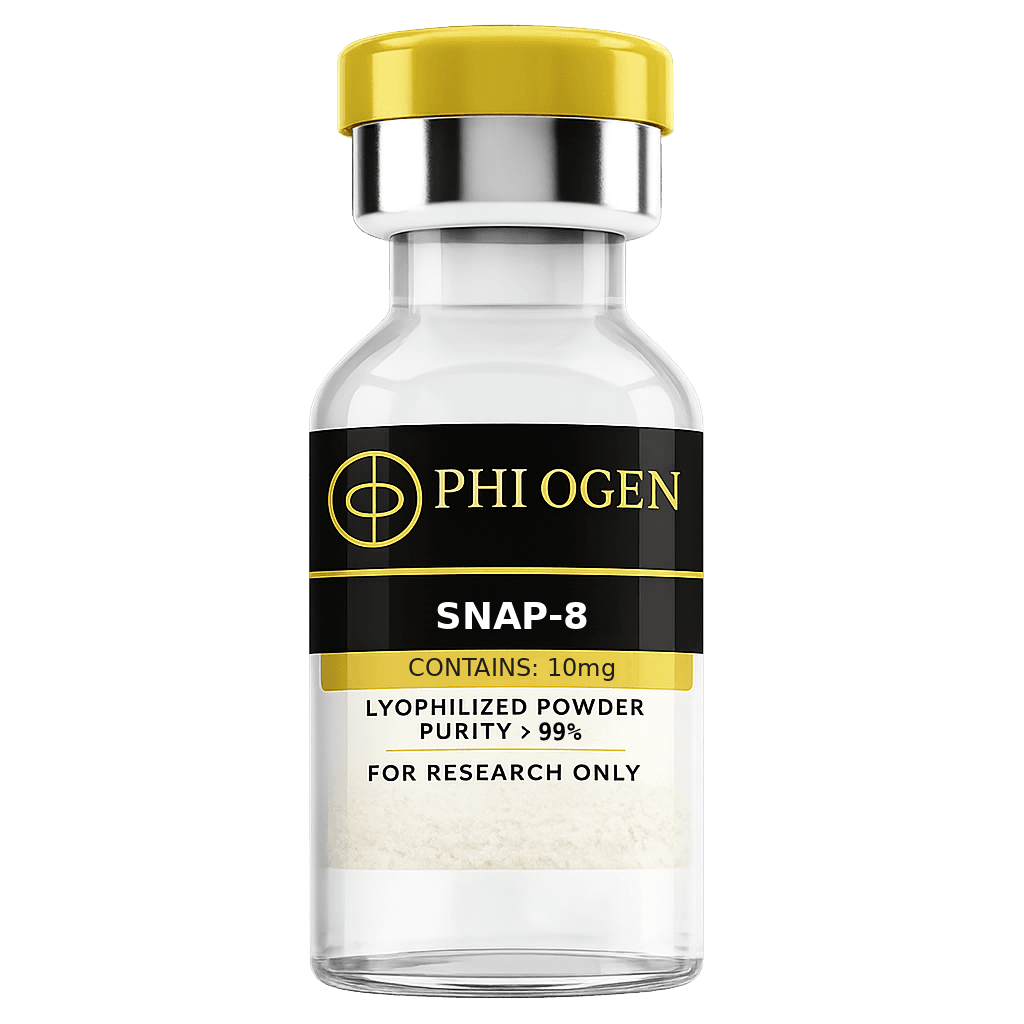
SNAP-8
Botox-Alternative Wrinkle Peptide
Buy SNAP-8 — SNAP-8 is a peptide that inhibits neuromuscular transmission to reduce expression wrinkles — a non-injection alternative to Botox with clinical efficacy data.
 Anti-Aging
Abaloparatide 3mg
PTHrP analog for bone density restoration and osteoporosis reversal
Abaloparatide 3mg For Sale — Abaloparatide is a PTHrP(1-34) analog (FDA-approved as Tymlos) that builds bone density by predominantly stimulating bone formation over resorption — the anabolic bone therapy.
 Anti-Aging
FOXO4-DRI 10mg
Senolytic peptide that eliminates senescent cells driving aging and disease
Trusted FOXO4-DRI 10mg — FOXO4-DRI is a D-retro-inverso peptide that selectively eliminates senescent cells by disrupting the FOXO4-p53 survival signal that prevents their apoptosis.
 Anti-Aging
Glutathione 200mg
Master antioxidant for cellular defense, detoxification, and immune support
Buy Glutathione 200mg — Injectable Glutathione 200mg — the body's master antioxidant for cellular detoxification, immune enhancement, skin brightening, and protection against oxidative aging.
 Anti-Aging
Melanotan I 10mg
Melanocortin agonist for photoprotective tanning without UV exposure
Trusted Melanotan I 10mg — Melanotan I (afamelanotide) is a superpotent α-MSH analog that stimulates melanin production for a natural tan with photoprotection — FDA-approved for erythropoietic protoporphyria.
Anti-AgingMelanotan II 10mg
Broad-spectrum melanocortin peptide for tanning, libido, and appetite regulation
Verified Melanotan II 10mg — Melanotan II is a cyclic α-MSH analog that activates multiple melanocortin receptors, producing UV-independent tanning, enhanced libido, and appetite suppression.
 Anti-Aging
Humanin 1mg
Mitochondrial-derived peptide for neuroprotection, metabolic health, and longevity
Buy Humanin 1mg — Humanin is a mitochondria-encoded micropeptide that provides neuroprotection against Alzheimer's pathology, improves insulin sensitivity, and extends lifespan in multiple model organisms.
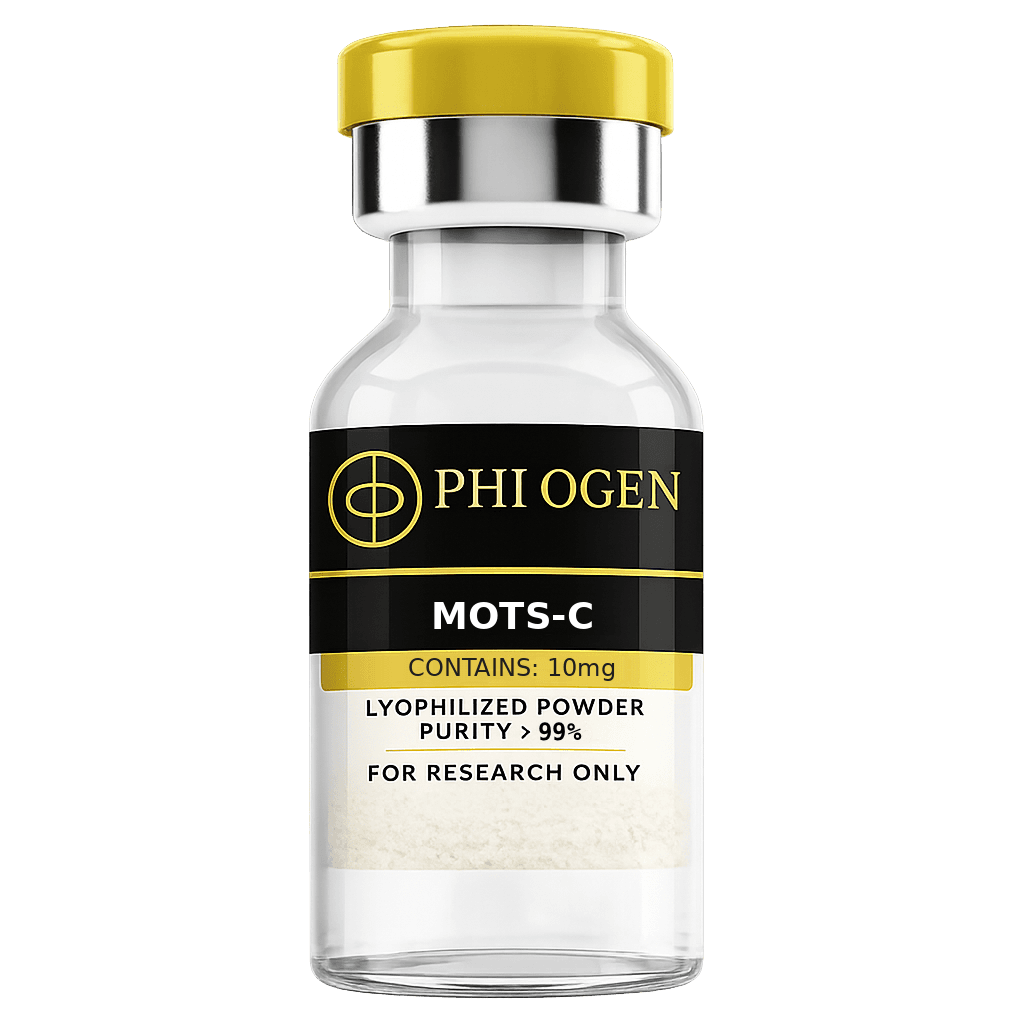
Anti-AgingMOTS-c 5mg
Mitochondrial micropeptide for metabolic regulation, exercise adaptation, and longevity
MOTS-c 5mg For Sale — MOTS-c is a mitochondria-encoded peptide that mimics the metabolic effects of exercise, improves insulin sensitivity, reduces obesity, and activates AMPK for longevity signaling.
 Anti-Aging
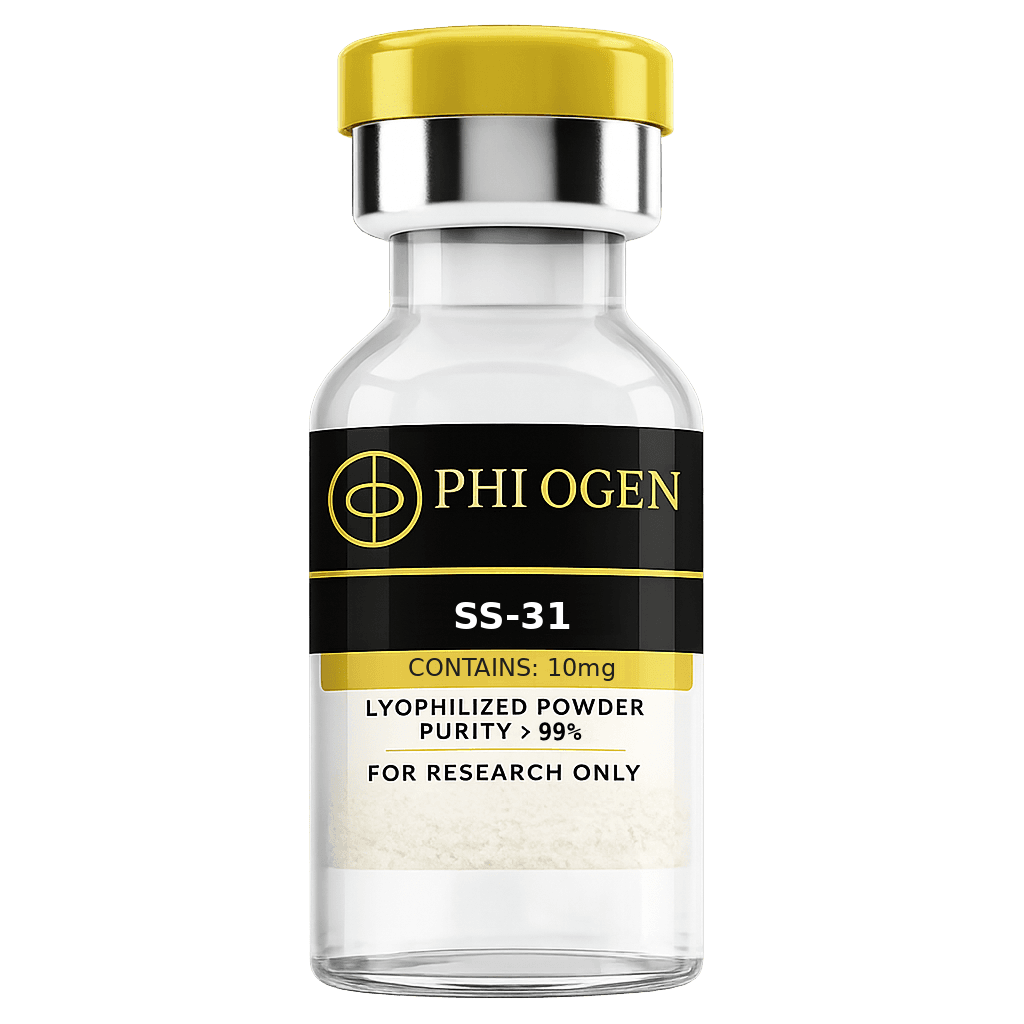
SS-31 (Elamipretide) 10mg
Mitochondria-targeted peptide for energy restoration, cardiac repair, and anti-aging
Cheap SS-31 (Elamipretide) 10mg — SS-31 (Elamipretide) is a mitochondria-targeted tetrapeptide that binds cardiolipin, restores electron transport chain efficiency, and reverses age-related mitochondrial dysfunction.
 Anti-Aging
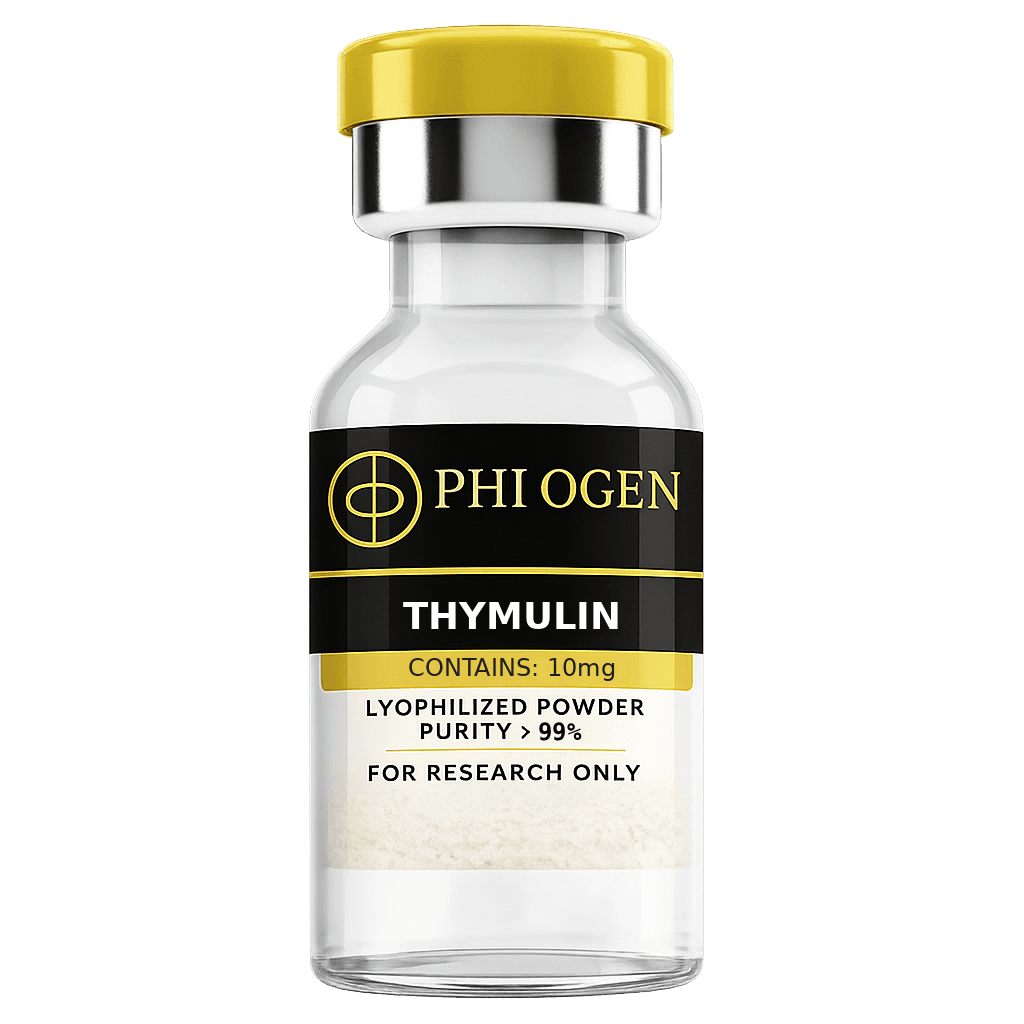
Thymalin 20mg
Thymus bioregulator peptide for immune system rejuvenation and longevity
Trusted Thymalin 20mg — Thymalin is a polypeptide thymus bioregulator developed by Professor Khavinson that rejuvenates immune function, reduces cancer incidence, and extends longevity in human clinical data.
 Anti-Aging
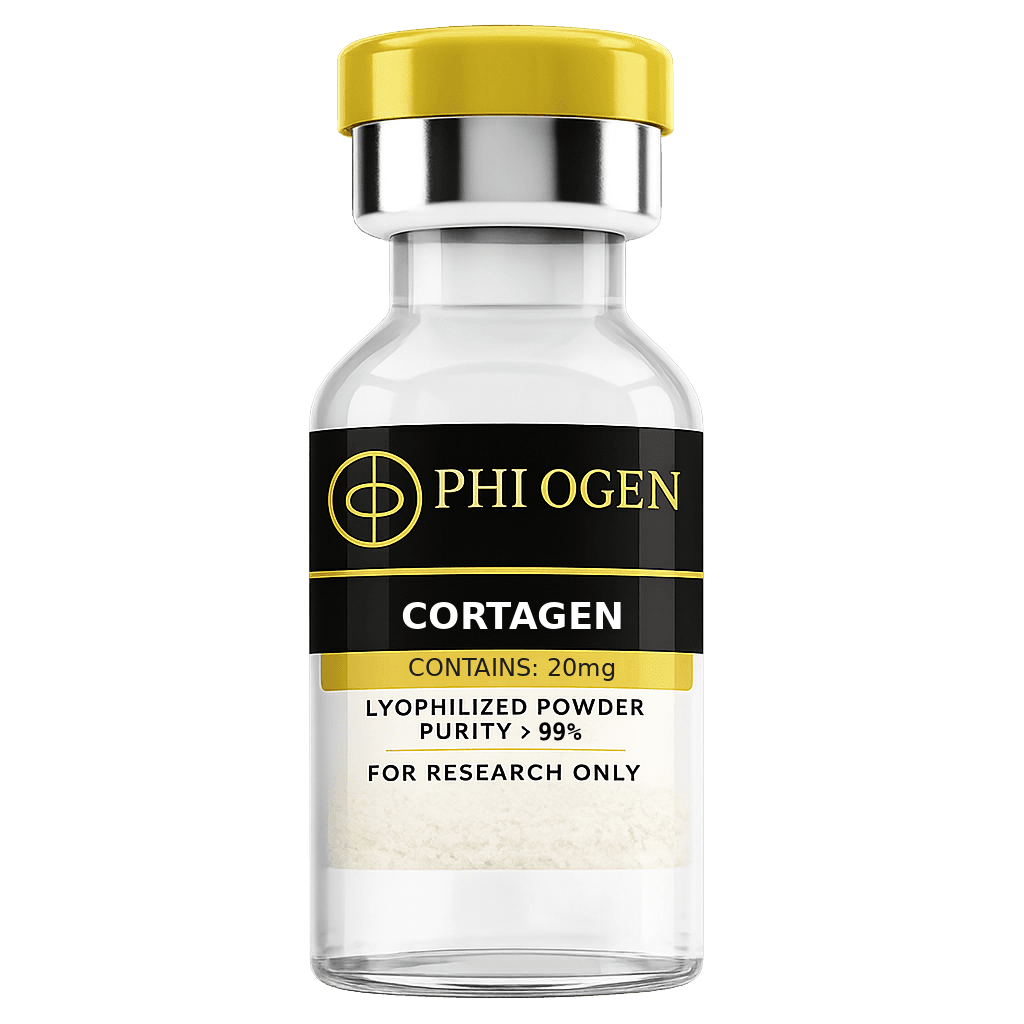
Cortagen 20mg
Brain cortex bioregulator peptide for cognitive protection and neurological longevity
Cheap Cortagen 20mg — Cortagen is a bioregulator peptide for the cerebral cortex that supports neurological function, cognitive longevity, and neuroprotection — part of Khavinson's organ-specific bioregulator system.
 Anti-Aging
Vesugen 20mg
Vascular bioregulator peptide for blood vessel health and cardiovascular longevity
Trusted Vesugen 20mg — Vesugen is a vascular bioregulator peptide that restores blood vessel integrity, reduces endothelial aging, and supports cardiovascular longevity in Khavinson's bioregulator system.
 Anti-Aging
GLOW Blend 20mg
Anti-aging peptide blend for skin radiance, collagen synthesis, and comprehensive rejuvenation
Buy GLOW Blend 20mg — GLOW Blend is a curated anti-aging peptide combination targeting skin radiance, collagen production, and cellular rejuvenation — a multi-peptide approach to comprehensive skin health.
Anti-AgingNAD+ Transdermal Patches x30
Patch Delivery — Sustained NAD+ Release Without Injection
Buy NAD+ Transdermal Patches x30 — NAD+ transdermal patches — sustained-release delivery over 12-24 hours without injection, ideal for consistent NAD+ maintenance between higher-dose injection protocols.
 Anti-Aging
Melanotan II Capsules 1mg x30
Oral Melanotan II — Tanning and Libido Without Injection
Melanotan II Capsules 1mg x30 For Sale — Melanotan II capsules 1mg x30 — oral delivery of the tanning and libido-enhancing melanocortin peptide without subcutaneous injection.
 Anti-Aging
GDF-11 100mcg
Growth Differentiation Factor 11 — Systemic Rejuvenation Signal
Cheap GDF-11 100mcg — GDF-11 is the circulating "young blood factor" from parabiosis research — a TGF-beta family protein that declines with aging and whose restoration reverses cardiac and neurological aging markers.
Why Start a Longevity Protocol Now?
The Compounding Problem
Telomere shortening, mitochondrial decline, and epigenetic drift are cumulative processes. Each year of delay means more cellular damage to reverse. The optimal time to start is before the decline accelerates — typically in your 30s, though benefits are documented at any age.
The Evidence Window
Epithalon's 12-year trial is the longest published longevity peptide study to date. The 28% mortality reduction compounds over time — you cannot retroactively apply years of telomerase activation. The research window is now, not later.
Anti-Aging Peptide FAQ
Do anti-aging peptides work for people in their 30s? Is preventive use valuable?+
Absolutely — and the case for starting in your 30s is arguably stronger than the case for starting later. The hallmarks of aging are not events that begin at 60; they are continuous processes that start in early adulthood. Telomere shortening begins at birth. Mitochondrial ATP decline begins in the late 20s to early 30s. NAD+ levels begin falling measurably from the mid-20s. Epigenetic drift has been detectable on methylation clocks since the 30s. The reason to start early is compounding: each year of intervention reduces the total accumulated damage that later interventions must reverse. Epithalon cycling twice annually from age 35 instead of age 55 represents 20 additional years of telomerase activation. The protocols for preventive use in the 30s are typically lower dose and less intensive than restorative protocols in older users: Epithalon 5 mg cycle twice yearly, GHK-Cu 1–2 mg daily ongoing, NAD+ 250 mg daily, and SS-31 1 mg twice weekly as a foundational mitochondrial maintenance protocol.
How do I know if Epithalon is working? What should I notice and measure?+
Epithalon's effects operate on two timescales: early neuroendocrine effects (weeks) and molecular longevity effects (months to years). In the first 1–3 weeks of a cycle, most users report improved sleep quality and duration — this is Epithalon's pineal gland activation and melatonin regulation effect, which is often the most immediately noticeable change. Some users report improved mood, energy, and a general sense of cellular vitality in the first cycle. These acute effects are real but not the primary reason to use Epithalon. The telomere-lengthening and mortality-reduction effects are not perceptible subjectively — they require objective measurement. The best way to confirm Epithalon is working over time: (1) Telomere length testing before the first cycle and after 12 months of twice-annual cycling (LifeLength or Repeat Diagnostics). (2) Biological age (DNAm clock testing via TruAge or similar) at baseline and at 12 months. (3) Track your sleep quality, energy levels, and subjective vitality scores on each cycle — consistent improvement over 2–3 years of cycling is meaningful signal. If you experience none of the early neuroendocrine effects (sleep improvement) in the first cycle, verify your peptide source purity and consider increasing to 10 mg/day for subsequent cycles.
Do anti-aging peptides interfere with cancer treatments or increase cancer risk?+
This is a critical safety question that requires a careful, evidence-based answer. The concern about telomere-lengthening peptides like Epithalon and cancer is theoretically plausible — telomerase is reactivated in approximately 90% of cancer cells, which is part of why cancers become immortal. However, the research on Epithalon does not show increased cancer incidence. The 12-year human clinical trial showed a 28% mortality reduction — not an increase — and no excess cancer events in the treated group. The key distinction is between telomerase activation in normal somatic cells (what Epithalon does) and the constitutive telomerase overexpression in cancer cells. Normal cell telomerase activation is regulated and pulsatile; cancer cell telomerase is constitutive and unregulated. These are mechanistically distinct. That said: Epithalon and other peptides have not been tested in the context of active cancer treatment in clinical trials. For anyone currently undergoing chemotherapy, radiation, or targeted cancer therapy, any new supplement or peptide should be discussed with their oncologist. Peptide use should be paused during active cancer treatment unless specifically approved by the treating team. GHK-Cu's gene modulation includes upregulation of p53 and downregulation of several oncogenes — it has an arguably beneficial safety profile from a cancer-biology perspective.
Can anti-aging peptides be combined with HRT or TRT?+
Yes — and in many cases, the combination is synergistic rather than redundant. Hormone replacement therapy (HRT) and testosterone replacement therapy (TRT) address hormonal decline but do not directly target telomere shortening, epigenetic drift, or mitochondrial dysfunction. Anti-aging peptides work at molecular levels that HRT/TRT does not reach. The combination effectively covers multiple aging mechanisms simultaneously. Specifically: NAD+ + TRT is synergistic because sirtuin activation improves testosterone receptor sensitivity and reduces the aromatization that can occur with TRT. Epithalon + HRT: Epithalon supports the neuroendocrine system broadly, including the pineal-hypothalamic-pituitary axis, which can improve the hormonal regulation context in which HRT operates. GHK-Cu + HRT: GHK-Cu's collagen support complements estrogen's well-established role in collagen maintenance, providing additive structural benefits. SS-31 + TRT: mitochondrial restoration addresses the energy production side of testosterone's anabolic signaling in muscle. There are no known pharmacological interactions between standard HRT/TRT protocols (testosterone, estradiol, progesterone) and anti-aging peptides. Both can be used concurrently. Bloodwork monitoring — particularly hsCRP, IGF-1, and hormonal panels — is recommended quarterly when running both simultaneously.