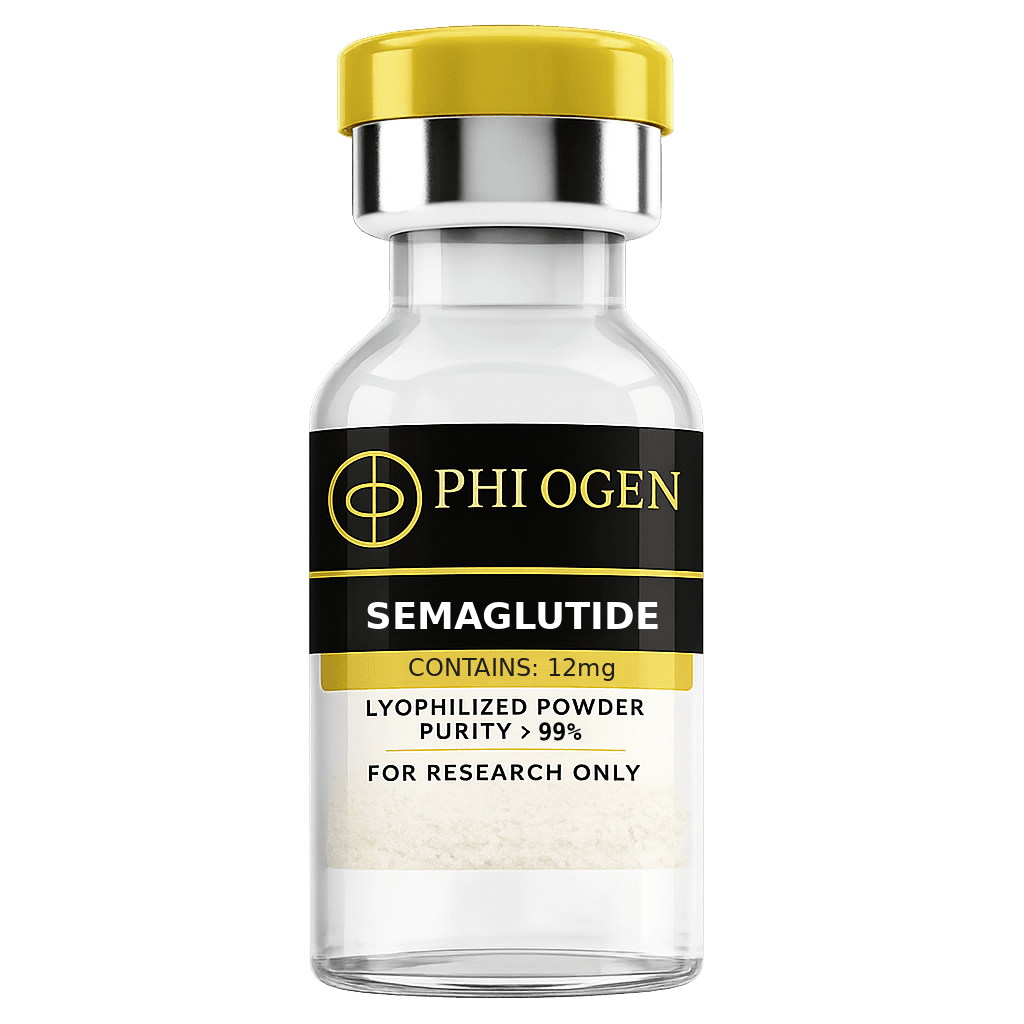
Buy GLP-1 S (Semaglutide) Online — GLP Weight-Loss Peptide
Next-Gen GLP-1 Receptor Agonist for Weight Loss
Last updated May 2026 · COA-verified
Trusted GLP-1 S (Semaglutide) — Semaglutide (GLP-1 S) is a GLP-1 receptor agonist with clinical trials showing 15-20% body weight reduction — the most effective pharmacological weight loss agent studied.
- 15-20% body weight reduction in 68-week clinical trials — most effective pharmacological weight loss studied
- Dramatically reduces appetite and food cravings via hypothalamic GLP-1 receptors
- 20% reduction in cardiovascular events shown in the SELECT trial
- Glucose-dependent insulin stimulation — low hypoglycemia risk
- Improves insulin sensitivity and metabolic health markers
COA verified · US domestic shipping
GLP-1 Weight Loss Calculator
Estimate your expected weight loss range based on clinical trial data for each peptide.
What Semaglutide Changes in Weeks vs Months
- 15-20% body weight reduction in 68-week clinical trials — most effective pharmacological weight loss studied
- Dramatically reduces appetite and food cravings via hypothalamic GLP-1 receptors
- 20% reduction in cardiovascular events shown in the SELECT trial
- Glucose-dependent insulin stimulation — low hypoglycemia risk
- Improves insulin sensitivity and metabolic health markers
- Slows gastric emptying for extended satiety
- Potential neuroprotective and anti-inflammatory effects
- Shown to reduce liver fat in non-alcoholic steatohepatitis (NASH)
GLP-1 Receptors and the Rewiring of Hunger
Semaglutide is a GLP-1 (Glucagon-Like Peptide-1) receptor agonist — a class of compounds that mimic the gut hormone GLP-1, which regulates appetite, insulin secretion, and gastric emptying. Commercially available as Ozempic (diabetes) and Wegovy (weight loss), semaglutide represents the most significant advancement in metabolic medicine in decades.
▸How It Works
GLP-1 receptors are found throughout the body — in the pancreas, gut, brain, heart, and liver. Semaglutide activates all of them:
**Appetite:** Acts on hypothalamic GLP-1 receptors to reduce hunger signals and increase satiety. Users report dramatically reduced appetite and food cravings, particularly for high-fat, high-sugar foods.
**Metabolism:** Slows gastric emptying, improving post-meal glucose control and extending satiety. Stimulates insulin secretion only when blood glucose is elevated (glucose-dependent) — minimizing hypoglycemia risk.
**Weight Loss:** Clinical trials (SUSTAIN, STEP) show 15-20% body weight reduction over 68 weeks — the most effective pharmacological weight loss ever demonstrated in controlled trials.
▸Beyond Weight
Semaglutide has shown benefits beyond weight loss:
→20% reduction in cardiovascular events in the SELECT trial
→Reduced liver fat in NASH
→Potential neuroprotective effects (GLP-1 receptors in the brain)
▸Research Context
Semaglutide (GLP-1 S): The Research Peptide Behind the Weight Loss Revolution
15-20% Weight Reduction
STEP trials: average 15-20% body weight reduction over 68 weeks — the highest efficacy ever demonstrated in pharmaceutical weight loss research.
Cardiovascular Protection
SELECT trial: 20% reduction in cardiovascular events in obese/overweight adults with established cardiovascular disease.
Brain Appetite Control
Acts on hypothalamic GLP-1 receptors to fundamentally reprogram hunger signals — reducing cravings for high-calorie foods at the neurological level.
Glucose Intelligence
Stimulates insulin only when blood glucose is elevated — the glucose-dependent mechanism that makes GLP-1 agonists far safer than traditional insulin secretagogues.
Four Dose Steps From 0.25 mg to Maintenance
Standard Escalation Protocol:
• Week 1-4: 0.25mg subcutaneous weekly
• Week 5-8: 0.5mg subcutaneous weekly
• Week 9-12: 1mg subcutaneous weekly
• Week 13+: 2mg subcutaneous weekly (maintenance)
Injection: Once weekly subcutaneous. Rotate injection sites (abdomen, thigh, upper arm).
Note: Consult a physician if using therapeutically.
All information on this site is for educational purposes only. Always consult with a qualified healthcare provider before use. COA documentation is available for all products.
GLP-1 S (Semaglutide)
COA verified · Third-party tested · US domestic shipping
Buy Now View Stack ProtocolsGLP receptor agonists work via hypothalamic appetite regulation and metabolic enhancement — proven in large-scale clinical trials.
All Weight Loss PeptidesStacks Best With
What to Run With or After Semaglutide
 Anti-Aging
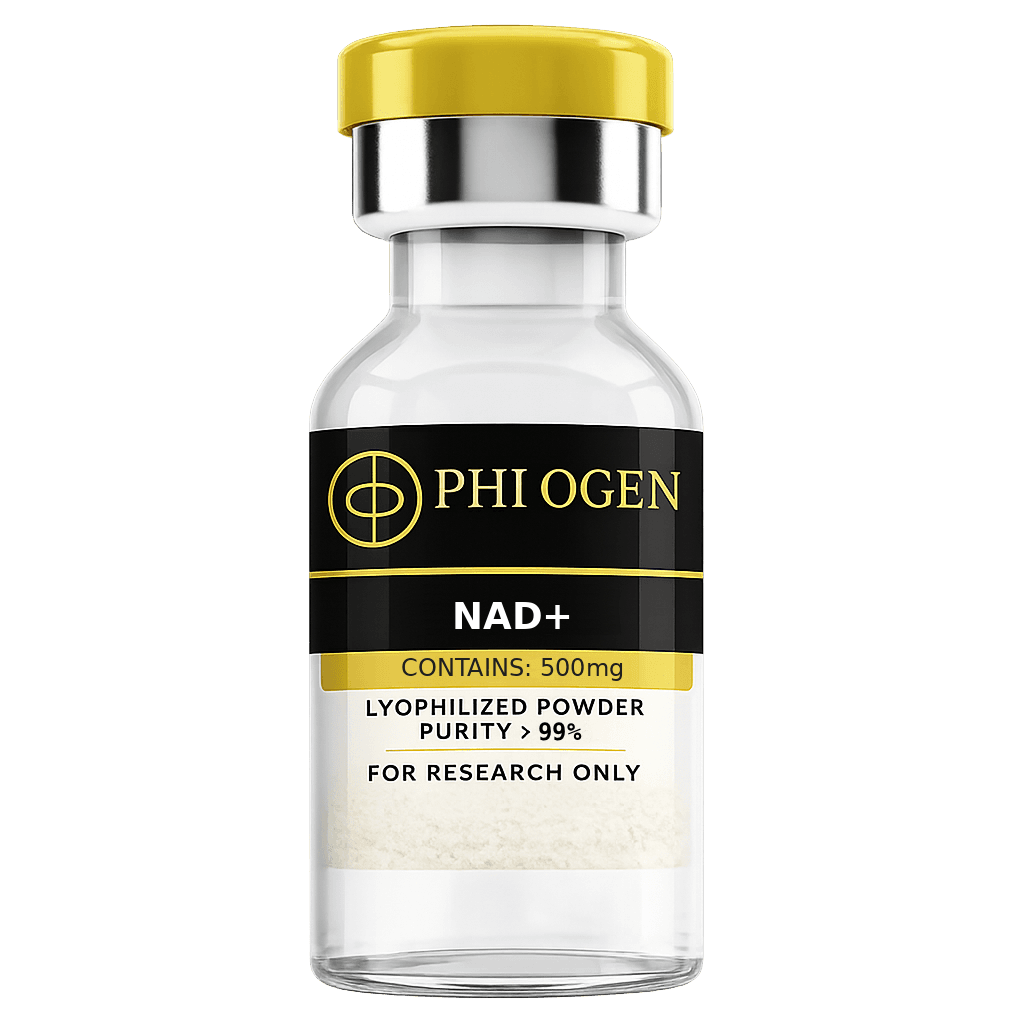
NAD+ 500mg
Cellular Energy & Longevity Cofactor
Verified NAD+ 500mg — NAD+ is the master cellular energy molecule that declines 50% by age 50 — supplementation restores sirtuin activity, DNA repair, and mitochondrial function.
 Weight Loss
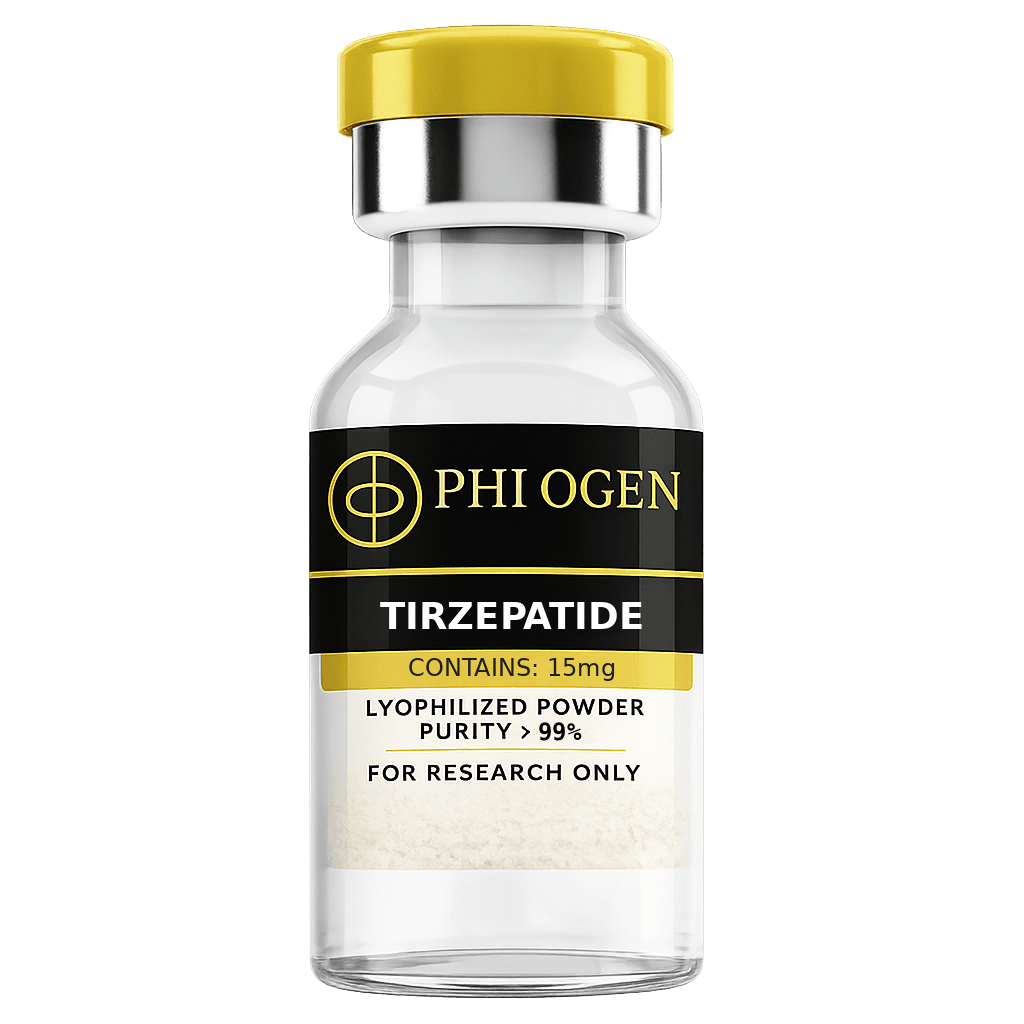
GLP-2 T (Tirzepatide)
Dual GIP/GLP-1 Agonist — Superior Weight Loss
Verified GLP-2 T (Tirzepatide) — Tirzepatide (GLP-2 T) is a dual GIP/GLP-1 receptor agonist showing up to 22.5% body weight reduction in trials — outperforming semaglutide in head-to-head data.
 Healing
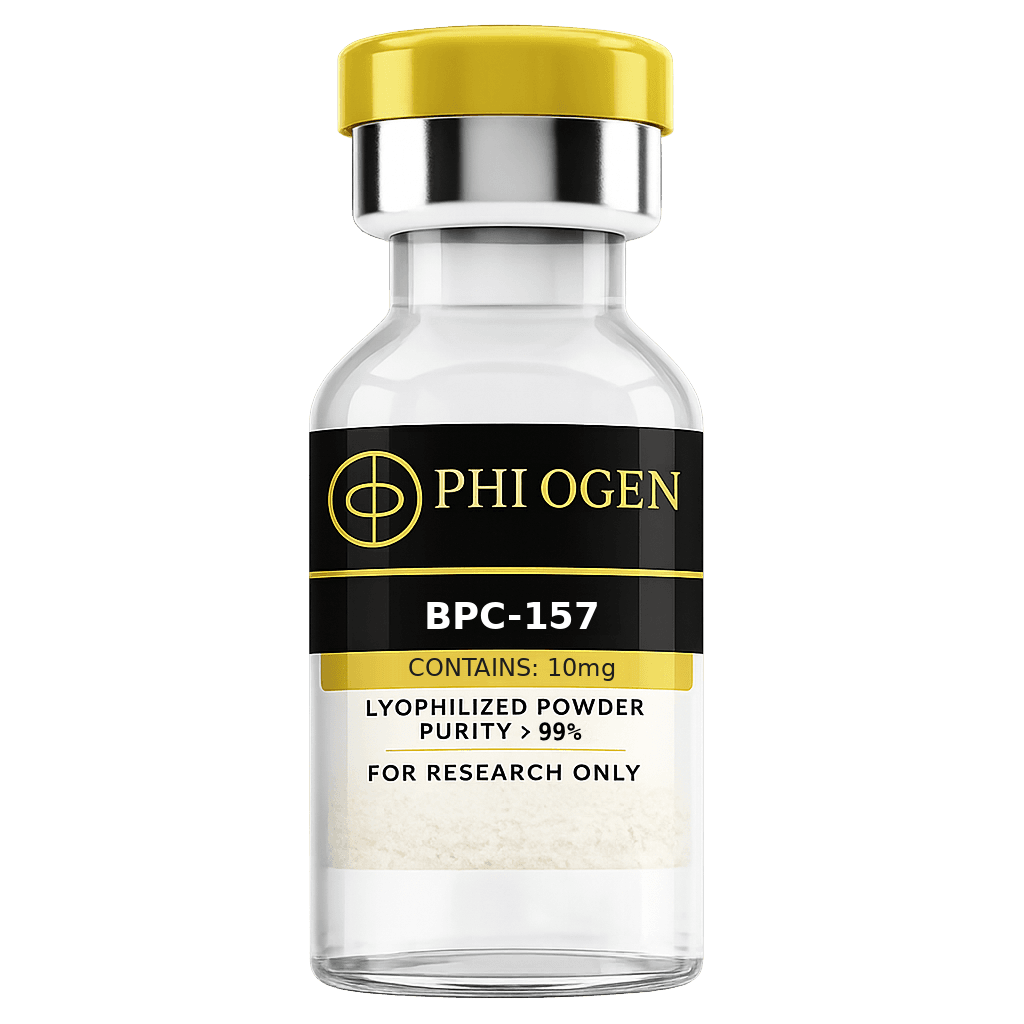
BPC-157
The #1 Healing Peptide in the World
Buy BPC-157 — BPC-157 is the most studied healing peptide — accelerates tendon, ligament, muscle, and gut repair with zero systemic side effects and no known LD50.
Semaglutide: The Practical Q&A
How much weight can I expect to lose with semaglutide?+
Clinical trials show an average 14.9% body weight reduction over 68 weeks at the 2.4mg maintenance dose (STEP trial). Individual results vary based on diet, activity, and starting weight. Most fat loss occurs in months 3–6, with a plateau typically reached at 9–12 months.
What is the semaglutide dosing protocol?+
Titrate slowly to minimize GI side effects: 0.25mg weekly × 4 weeks → 0.5mg weekly × 4 weeks → 1mg weekly → 1.7mg weekly → 2.4mg weekly maintenance. Inject subcutaneously once per week. Rotate between abdomen, thigh, and upper arm.
What is the difference between research semaglutide and Ozempic/Wegovy?+
Ozempic and Wegovy are FDA-approved pharmaceutical semaglutide products. Research-grade semaglutide from suppliers like Apollo Peptide Sciences is the same molecule in lyophilized form, intended for research purposes. The active compound is identical; differences are in regulatory status, manufacturing oversight, and intended use.