Peptide
Stack Protocols
Five evidence-based peptide stacks for every goal. Each protocol is based on peer-reviewed research with complete dosing guides, timing protocols, and expected outcomes.
Every stack is available from our recommended supplier — COA verified, US domestic, ships 24–48 hours.
Stack Comparison Matrix
Compare all five stacks side-by-side across every relevant dimension to find the right fit for your goals, experience level, and commitment.
| Stack | Primary Goal | Difficulty | Cycle | Injections/wk | First Results | Best For | Not For |
|---|---|---|---|---|---|---|---|
| Injury Healing & Recovery | Intermediate | 4–12 weeks | 7–14 | 1–2 weeks | Post-surgical recovery, sports injuries, chronic tendon/ligament issues | Users with no active injury or recovery goal | |
| Anti-Aging & Longevity | Advanced | 10-day cycles × 2/year + ongoing components | 7–14 | 1–4 weeks (sleep); 3–6 months (anti-aging markers) | Adults 40+ focused on biological age reversal and longevity | Short-term thinkers expecting rapid visible changes | |
| Body Composition & Fat Loss | Intermediate | 8–16 weeks | 14 | 4–6 weeks | Athletes and active users wanting fat loss with muscle retention | Sedentary users — this stack amplifies results from training, not a replacement | |
| Cognitive Performance & Mental Health | Beginner | 4–8 weeks on, 2–4 weeks off | 3–7 | 1–3 days (Semax); 1–3 weeks (cumulative) | Knowledge workers, high-performers, individuals with brain fog or anxiety | Users on SSRIs or MAOIs without medical supervision | |
| Athletic Performance & Recovery | Advanced | 8–16 weeks | 14–21 | 1–2 weeks (recovery speed) | Competitive athletes, CrossFit, endurance sports, strength training | Beginners new to peptides — start with healing stack first |
All Stack Protocols
Full detail on each protocol — benefits, peptides, and how to get started.
Ultimate Healing Stack
BPC-157 + TB-500: The Most Powerful Repair Protocol
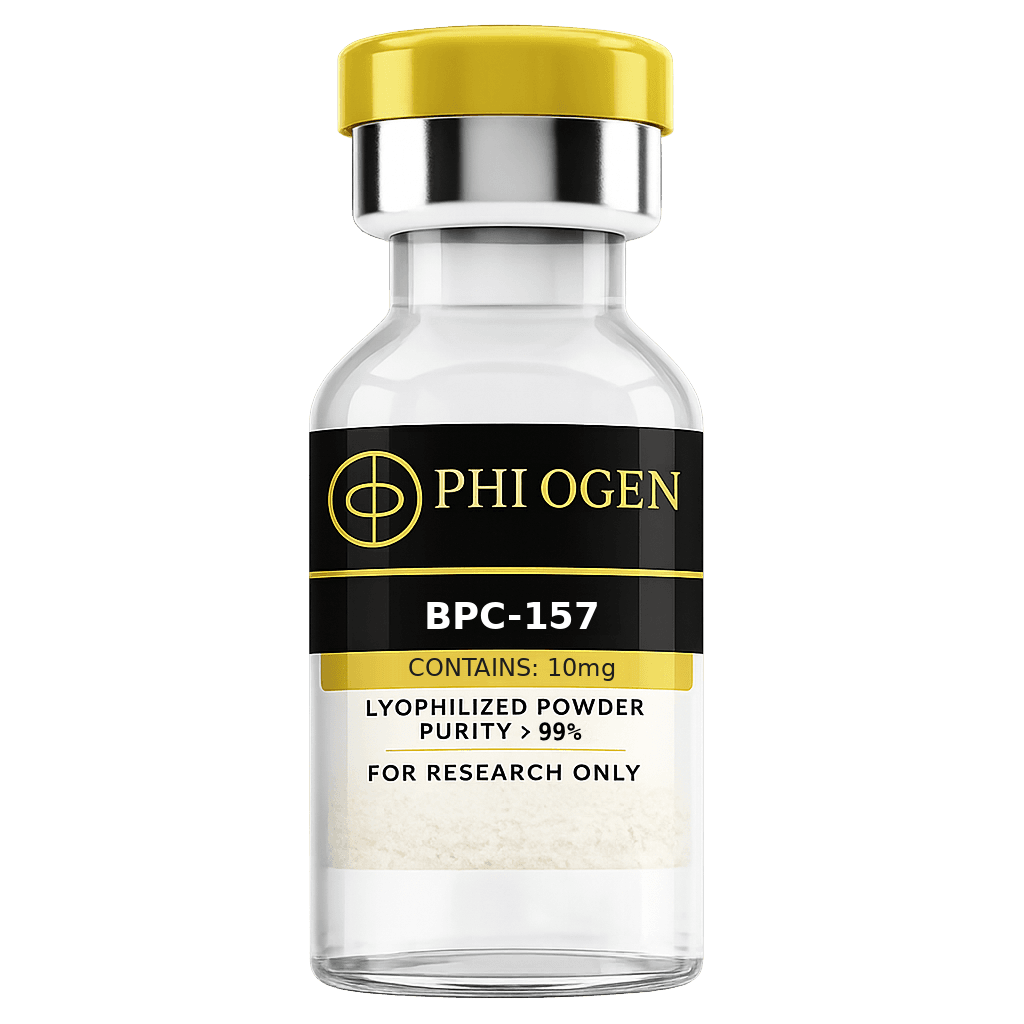
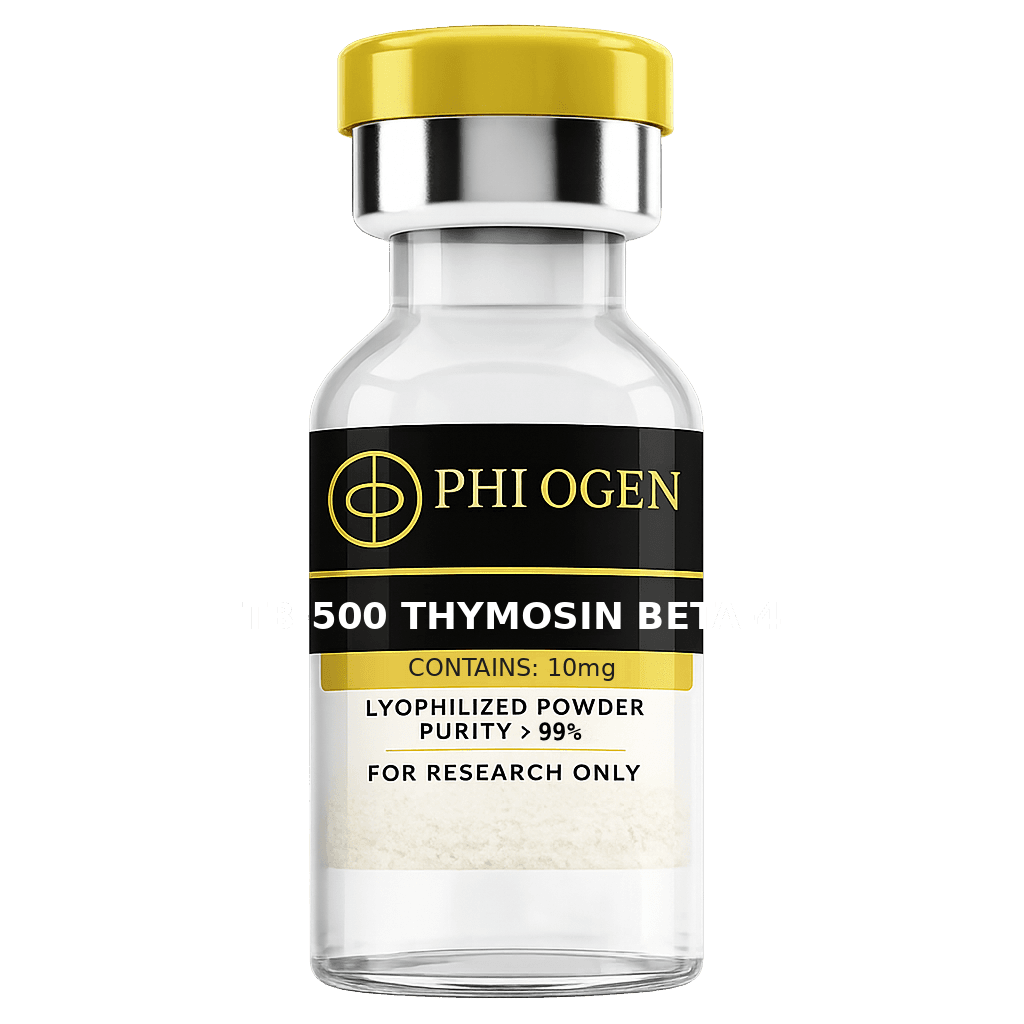
The BPC-157 + TB-500 stack is the most researched and most effective peptide combination for healing. BPC-157 provides targeted local healing — stimulating growth hormone receptors in fibroblasts, improving blood flow, and repairing gut lining. TB-500 provides systemic, body-wide repair — mobilizing stem cells and rebuilding tissue throughout the body.
Anti-Aging Longevity Protocol
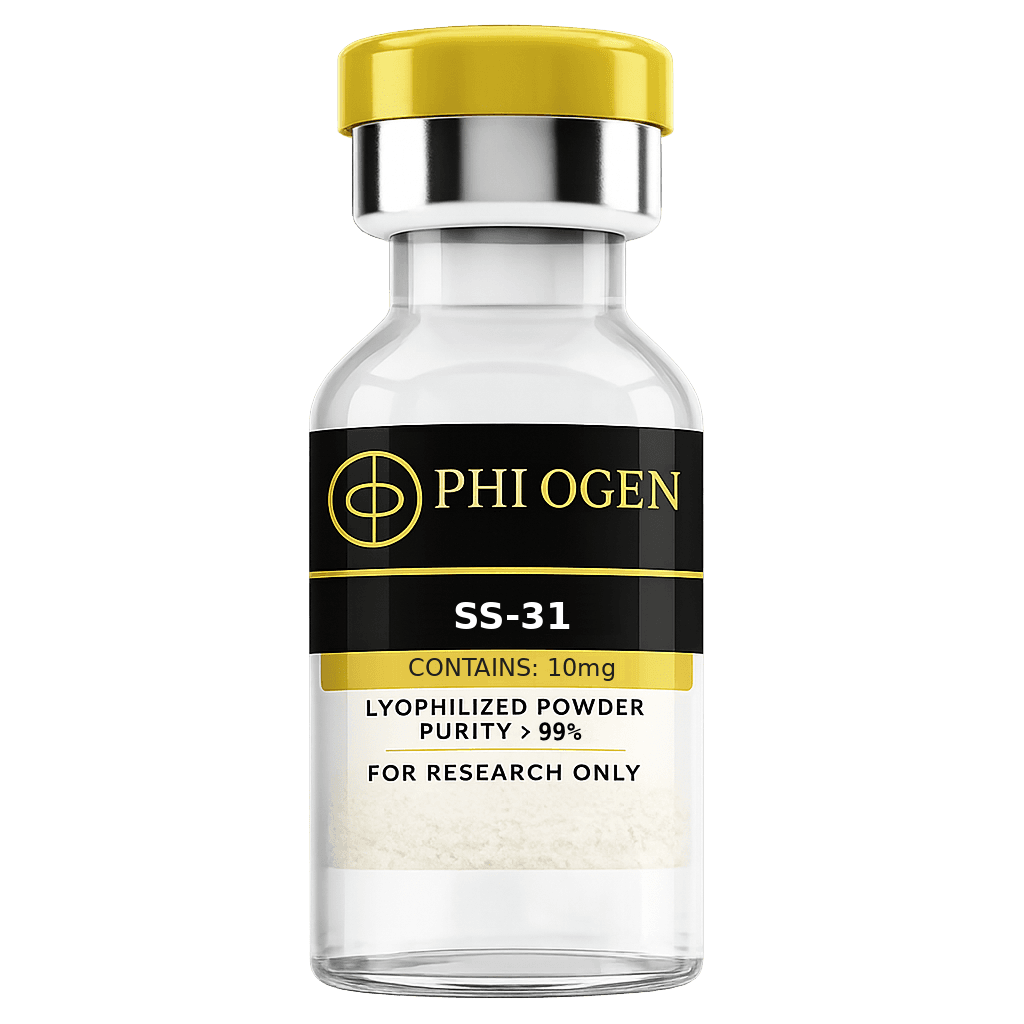
Epithalon + GHK-Cu + SS-31: Reverse Biological Age
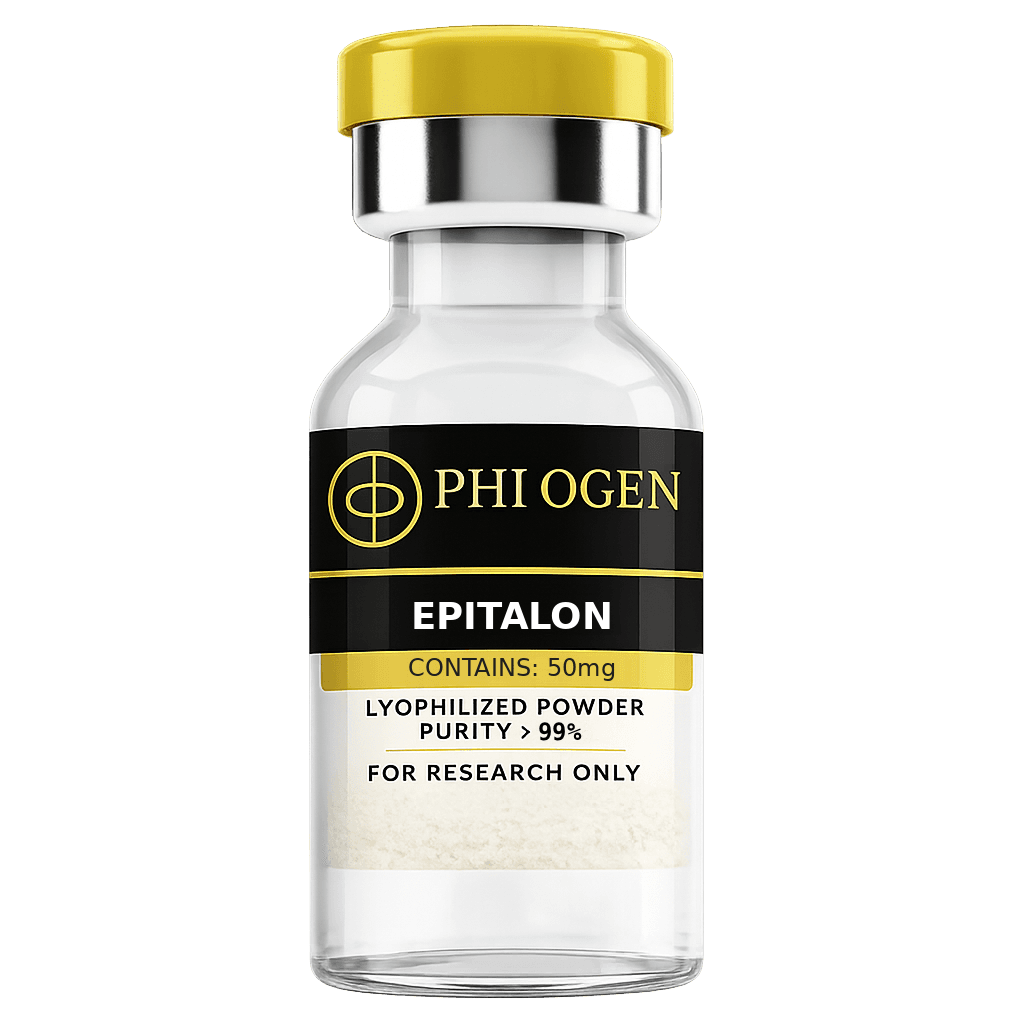
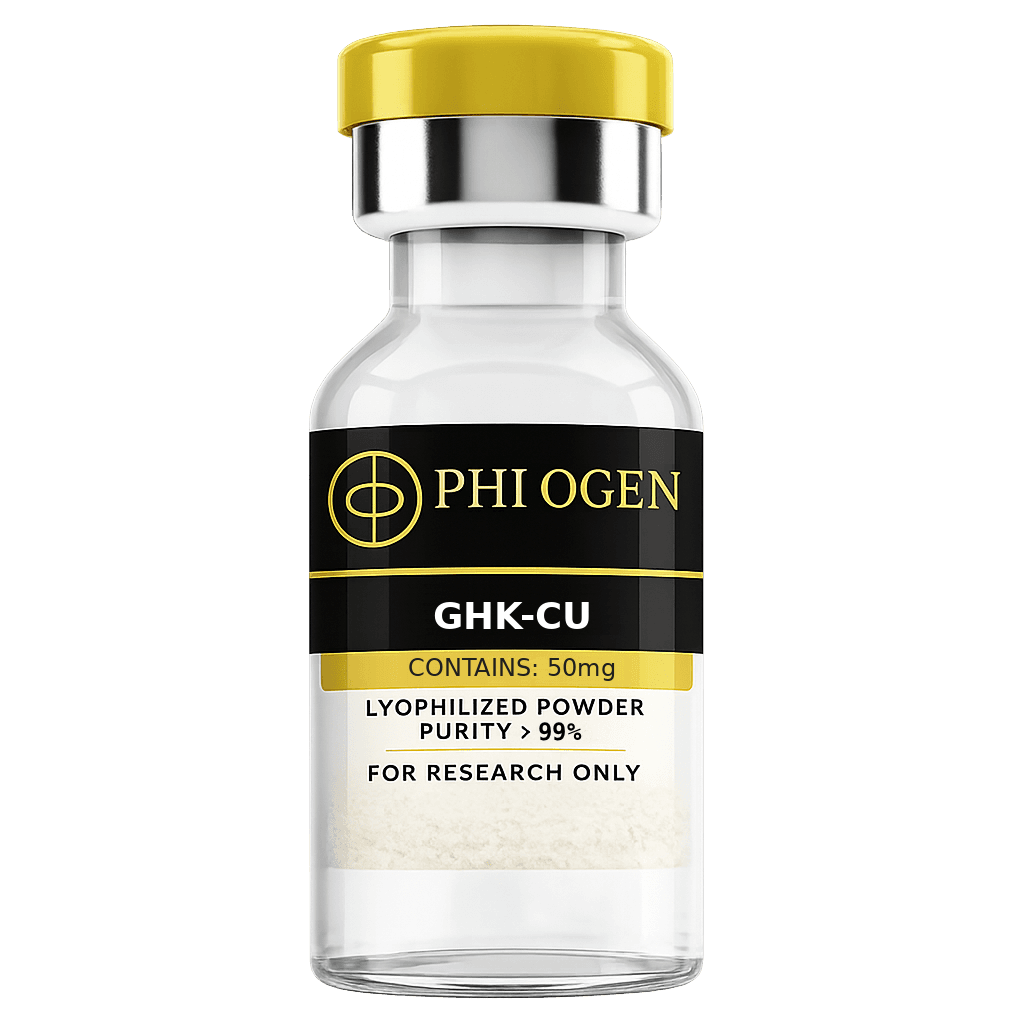
The Anti-Aging Longevity Protocol targets the three most fundamental mechanisms of biological aging: telomere shortening (Epithalon), cellular cleanup and gene expression (GHK-Cu), and mitochondrial decline (SS-31).
Body Recomposition Stack
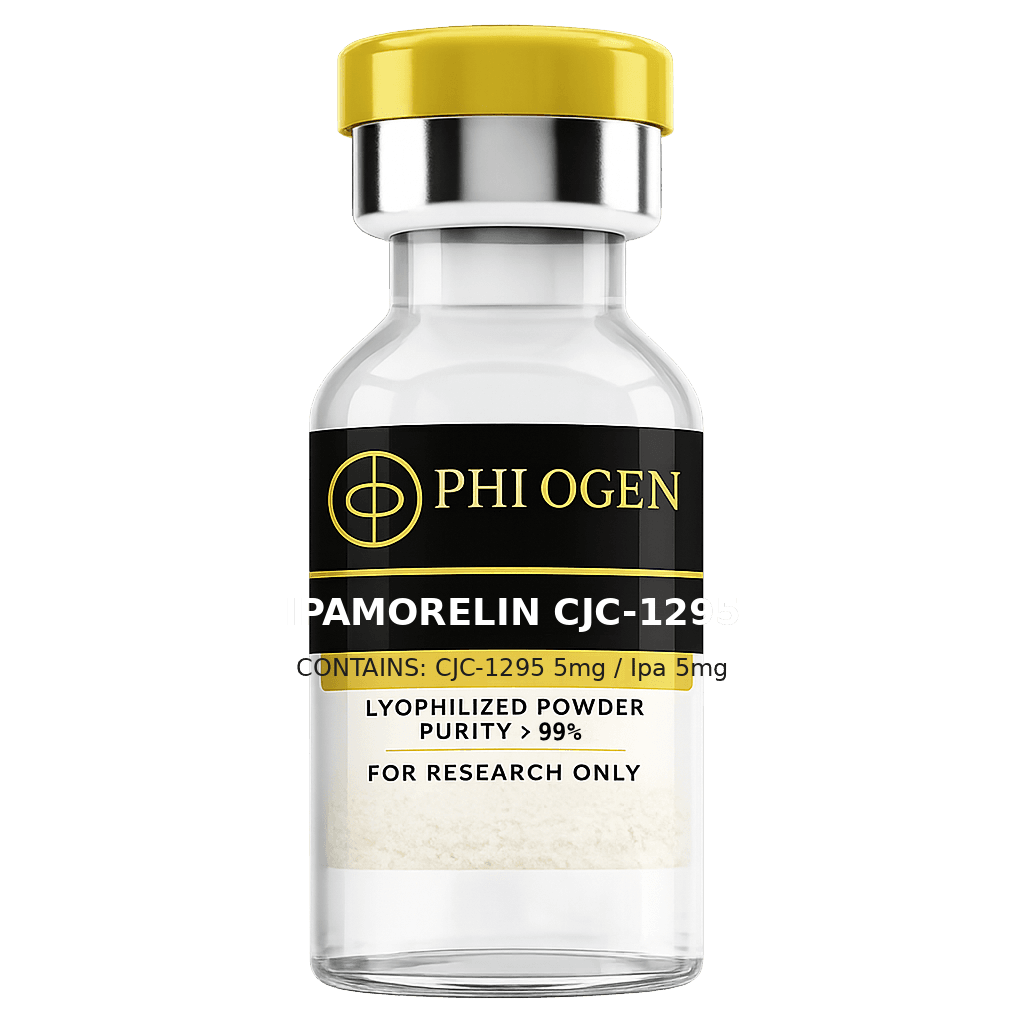
Ipamorelin + CJC-1295 + HGH Frag: Burn Fat, Build Muscle
The Body Recomposition Stack combines three peptides that attack fat loss and muscle growth through three distinct mechanisms.
Cognitive Enhancement Stack
Semax + Selank: Peak Mental Performance
The Semax + Selank cognitive stack is the most popular nootropic peptide combination — developed in Russia and used by researchers, executives, and high-performers seeking a cognitive edge without stimulants or pharmaceuticals.
Athlete Performance Stack
BPC-157 + TB-500 + Ipamorelin: Perform, Recover, Dominate
The Athlete Performance Stack is designed for serious athletes who want to push harder, recover faster, and stay injury-free. It combines the healing and repair properties of BPC-157 and TB-500 with the anabolic and recovery-enhancing effects of Ipamorelin + CJC-1295.
Not Sure Which Stack?
Answer 5 questions about your goals, experience, and commitment — and get a personalized stack recommendation with estimated cost and next steps.
Stack Finder Quiz
Question 1 of 5Answer 5 quick questions to find your ideal peptide stack.
What is your primary goal?
How Peptide Stacking Works
Peptide stacking is the practice of combining compounds that work on complementary mechanisms — producing results that are greater than the sum of individual peptides.
Choose Your Goal
Healing, anti-aging, body recomp, cognitive, or athletic performance — pick the protocol that matches your primary objective.
Source the Peptides
Use a COA-verified, third-party tested vendor with US domestic shipping for every compound in your stack.
Follow the Protocol
Each stack comes with exact dosing, timing, and cycle length. No guessing — just follow the research-backed protocol.
Track and Optimize
Results compound over 4–12 weeks. Track biomarkers, adjust doses, and stack complementary protocols as goals evolve.
How to Build Your Own Stack
The principles behind the pre-built stacks — so you can design intelligently for your specific situation.
→ Synergistic vs. Redundant Peptides
The key to effective stacking is choosing peptides that work on different — but complementary — mechanisms. BPC-157 (local tissue repair) + TB-500 (systemic actin remodeling) are synergistic. Adding a third healing peptide that works identically to one of them would be redundant, not additive. Ask: does each compound in my stack do something the others cannot?
→ Loading and Maintenance Phases
Some protocols benefit from a loading phase — higher doses for the first 2 weeks to rapidly establish the target effect, followed by a maintenance dose for the cycle duration. GH peptides (CJC/Ipamorelin) typically do not use a loading phase, while healing protocols sometimes front-load BPC-157 at twice-daily dosing for the first 2 weeks, then drop to once daily. Know your peptide's pharmacodynamics before designing a loading phase.
→ Cycling Principles
Most peptides do not require mandatory cycling (they do not cause receptor downregulation or suppression), but cycling prevents tolerance and allows cost-effective use. Standard approach: 8–12 weeks on, 4 weeks off for continuous-use peptides. Pulse protocols (5 days on, 2 days off) can extend the effective window of GH peptides. Epithalon and similar short-cycle peptides are designed for infrequent, intense cycling rather than continuous use.
→ Combinations to Avoid
There are very few genuinely antagonistic peptide combinations — peptides generally do not interfere with each other's mechanisms. The caution zones: (1) Multiple GH-releasing compounds simultaneously can overstimulate the axis — stick to one GHRH (CJC-1295) + one GHRP (Ipamorelin) approach, not two GHRHs together. (2) Cognitive peptides with strong anxiolytic effects (Selank) may blunt the stimulatory effects of others — track carefully. (3) When stacking 4+ compounds, add one at a time to identify causes of any effects.
→ Cost Optimization Strategies
- Prioritize by impact:Add the highest-impact compound first and add others as budget allows — do not compromise dose for variety
- Larger vials:Cost per mg drops significantly with 10mg vials vs 2mg vials for the same peptide
- Cycle timing:Run expensive compounds during the most critical phase, not indefinitely
- Front-load important periods:Concentrate your most expensive stack during high-demand periods (intense training blocks, post-surgery)
The Wolverine Stack
The Wolverine Stack — BPC-157 + TB-500 — earns its name from the fictional character's supernatural healing ability. It represents the most complete tissue repair protocol available, combining two peptides with entirely different but perfectly complementary mechanisms. BPC-157 works at the local injury site, recruiting repair factors and regenerating vasculature. TB-500 drives systemic repair through actin regulation and stem cell migration. Together, they cover everything from tendon microtears to muscle belly injuries to ligament damage.
What sets this month's spotlight on it: the growing volume of anecdotal evidence from athletes recovering from previously "career-threatening" injuries. Injuries that orthopaedic surgeons have projected 6–12 month recovery timelines have resolved in 6–10 weeks on this protocol. The research base behind both peptides is extensive — over 200 studies on BPC-157 alone — making this the most evidence-backed healing stack available.
"Partial Achilles tear — was told 4–6 months of non-weight-bearing recovery. Started BPC-157 + TB-500 at week 3 post-injury. By week 8 I was jogging. By week 12 I was back to full training. The physio couldn't believe the imaging at the 3-month mark."
"Chronic shoulder (rotator cuff) that had been limiting me for 2 years despite surgery and PT. One 8-week cycle and the pain dropped by 80%. Range of motion fully restored. Second cycle completed it."
Ready to Start?
Get COA-verified BPC-157 and TB-500 from our recommended supplier.
Why Peptide Stacks Outperform
Single Peptides
→ Complementary Mechanisms
Most biological goals involve multiple interacting systems. A healing peptide that works locally (BPC-157) combined with one that works systemically (TB-500) covers more ground than either alone — both are necessary for complete recovery.
→ Synergistic Effects
Some combinations produce synergistic rather than merely additive effects. CJC-1295 + Ipamorelin together produce 8–10× more GH than either alone — because they target two different receptors in the same GH release pathway.
→ Multi-Level Targeting
Aging, fat loss, and healing all involve cascades of molecular events. Targeting multiple steps in the cascade — rather than just one — produces faster and more complete results with better long-term maintenance.
Which Stack Is Right for You?
Frequently Asked Stack Questions
The most important questions before starting a peptide stack protocol — answered directly.
Can I mix multiple peptides into the same syringe?+
Many peptides can be mixed in the same syringe if they are compatible. BPC-157 and TB-500 are commonly combined in one injection. CJC-1295 and Ipamorelin are almost always injected together. However, do not mix peptides that have very different reconstitution requirements or pH sensitivities. Check peptide-specific guidance before combining, and always use freshly drawn amounts — do not pre-mix and store combined syringes.
Do stacks work for complete beginners or should I start with a single peptide?+
Most beginners can start with a well-designed stack — the Ultimate Healing Stack (BPC-157 + TB-500) is actually the most beginner-friendly approach because both peptides are well-tolerated, the dosing is straightforward, and results are typically clear and measurable. The one exception: start with a single peptide first if you have no injection experience or significant anxiety about the protocol. Running BPC-157 solo for 2 weeks builds confidence before adding TB-500.
How do I transition between stacks — for example, moving from healing to anti-aging?+
Transition timing depends on your goal completion. For healing stacks: transition when the injury is 80–90% resolved, typically at 8–12 weeks. You can overlap — add anti-aging compounds in the final 2 weeks of your healing cycle. GHK-Cu (in the anti-aging stack) also supports tissue healing, making it a natural bridge. There is generally no washout period required between most peptide stacks — they work through different mechanisms with no cross-tolerance or accumulation issues.
Do I need all the peptides in a stack, or can I start with fewer?+
You can absolutely start with fewer compounds and add over time. The recommended entry point for each stack: Healing — start with BPC-157 alone, add TB-500 in week 2. Anti-Aging — start with Epithalon cycle, add GHK-Cu in month 2. Body Recomp — start with CJC-1295 + Ipamorelin (they are essentially one compound functionally), add BPC-157 in week 3. Starting lean and adding compounds allows you to attribute effects and manage costs.
What blood work should I get before starting a peptide stack?+
Baseline blood work is highly recommended before starting any stack, especially for anti-aging or body composition protocols. Minimum panel: CBC (complete blood count), CMP (comprehensive metabolic panel), fasting glucose + insulin, and for body recomp or anti-aging: IGF-1, testosterone, LH/FSH, thyroid panel. This baseline lets you measure actual changes and catch any unexpected responses. Retest at 8–12 weeks into the protocol for meaningful comparison data.
How do I know if my stack is working?+
Track both subjective and objective markers. Subjective: sleep quality, energy levels, recovery speed, mood, pain levels (for healing). Objective: blood work before and after, body composition measurements (for recomp), strength or performance metrics (for athletic). Most stacks show clear subjective signals within 2–4 weeks. Anti-aging stacks are the exception — the meaningful changes (telomere length, biological age markers) require 3–6 months and specific testing to confirm.
What should I do if I experience side effects from a stack?+
First, identify whether the effect is expected or unexpected. Common expected effects: water retention with GH peptides (usually resolves in week 2), vivid dreams with Epithalon (the pineal effect — normal), minor injection site redness (normal if mild). If experiencing unexpected effects: stop the most recently added compound first to identify the cause. If symptoms persist, stop the entire stack and consult a physician. Peptides have excellent safety profiles, but individual responses vary. Do not add multiple new compounds simultaneously — this makes troubleshooting impossible.
Do stacks work better than single peptides — is stacking always worth it?+
Stacks are worth it when your goal is complex or involves multiple biological systems. For a simple acute injury: BPC-157 alone may be sufficient. For comprehensive healing of a serious injury: the BPC-157 + TB-500 stack outperforms either alone because they address different repair mechanisms. For anti-aging: a multi-compound stack dramatically outperforms any single longevity peptide because aging is multi-factorial. The rule of thumb: use a single peptide for a single, focused goal. Use a stack when your goal involves multiple systems or when you want the fastest, most complete results.
Build Your Peptide Stack Today
All peptides across every stack available from our recommended supplier — the most trusted peptide supplier.
COA verified · US domestic · 24–48hr shipping