Heal Injuries
2–4× Faster
Than Nature Alone
BPC-157 and TB-500 are backed by 30+ years of research and 100+ peer-reviewed studies. The most powerful injury recovery protocol available — targeting the actual tissue damage, not just the pain.
How the Body Heals:
And Why It's So Slow
The human body's healing capacity is remarkable by most biological standards. But it operates on a timeline measured in months for serious injuries — and years for the complete maturation of repaired tissue. Understanding exactly why healing takes so long is the first step to understanding how BPC-157 and TB-500 shortcut this timeline without compromising the quality of repair.
Phase 1: Inflammatory (Days 0–7)
The moment tissue is damaged, a cascade of vascular and cellular events begins. Damaged cells release histamine, prostaglandins, bradykinin, and substance P, causing local vasodilation and increased vascular permeability. Blood flow surges to the injury. Neutrophils arrive within hours to clear cellular debris and bacteria. Macrophages follow, phagocytizing dead tissue and releasing growth factors that recruit the cells needed for the next phase. The hallmarks: pain, swelling, heat, and redness. This phase is necessary — without it, healing cannot begin. But it is also destructive: inflammatory cytokines cause collateral damage to surrounding healthy tissue, and the phase can persist pathologically in chronic injuries where the inflammatory stimulus never fully resolves.
How BPC-157 + TB-500 optimize Phase 1: BPC-157 modulates the inflammatory response without suppressing it — it reduces the duration and intensity of the destructive aspects (via COX and nitric oxide pathway modulation) while preserving the pro-healing signals. TB-500 inhibits NF-κB, the master transcription factor for inflammatory cytokine production, reducing collateral tissue damage without blocking the macrophage activity needed to transition to Phase 2. Neither peptide is immunosuppressive — they are inflammatory modulators, not suppressors.
Phase 2: Proliferative (Days 4 – Weeks 6–8)
With the debris cleared, the body shifts into construction mode. Fibroblasts — the collagen-producing cells of connective tissue — migrate into the injury site and begin laying down a collagen scaffold. Early collagen deposition is primarily type III: a looser, weaker matrix that serves as initial structural scaffolding. Simultaneously, new blood vessels are formed through angiogenesis (VEGF-driven) to supply the metabolically active repair tissue with oxygen and nutrients. This is the longest phase and the critical bottleneck for most injuries. The rate of collagen synthesis is limited by: fibroblast numbers, growth factor signaling, vascular supply, and the availability of amino acid building blocks. In tendons and ligaments, vascular supply is particularly limiting — these are inherently hypovascular tissues, which is why Achilles and rotator cuff injuries are notoriously slow to heal.
How BPC-157 + TB-500 dominate Phase 2: BPC-157 is a powerful activator of VEGF — dramatically increasing neovascularization at the injury site and resolving the vascular supply bottleneck that limits tendon and ligament healing. It directly upregulates growth hormone receptors in fibroblasts, amplifying their response to GH and IGF-1 signals. It activates Egr-1, the transcription factor that drives tendon-specific collagen synthesis. TB-500 mobilizes CD34+ stem cell progenitors from bone marrow — flooding the injury site with cells that differentiate into fibroblasts, endothelial cells, and tissue-specific repair cells. Together, they accelerate Phase 2 by 2–3× in animal models — compressing what should take 6–8 weeks into 2–3 weeks.
Phase 3: Remodeling (Months 2–24)
The most underappreciated phase of healing is also the longest. The type III collagen scaffold laid down in Phase 2 must be gradually replaced by type I collagen — the load-bearing form that gives tendons, ligaments, and skin their mechanical strength. This process is driven by mechanical loading signals (which stimulate collagen fiber alignment along stress axes) and by the persistent activity of matrix metalloproteinases (MMPs) that remodel the existing matrix. The bottleneck here is chemical: collagen crosslinking requires lysyl oxidase activity, which requires adequate copper, vitamin C, and zinc — and simply takes time regardless of substrate availability. Even with optimal nutrition, remodeling from type III to mature type I collagen takes 12–24 months in tendons.
How BPC-157 + TB-500 accelerate Phase 3: BPC-157 directly stimulates type I collagen synthesis (rather than type III) — when the peptide is present during the proliferative phase, the initial collagen deposition skews toward the load-bearing form, accelerating the transition that would normally take months. TB-500 continues to support MMP activity for extracellular matrix remodeling. The combination effect means that at the 8–12 week mark on this protocol, tissue histology frequently shows characteristics of 6–12 months of natural healing — measurably superior collagen organization, fiber alignment, and mechanical tensile strength.
The collagen crosslinking bottleneck — the final constraint on healing speed — cannot be fully eliminated by any current intervention. But by accelerating the upstream phases so dramatically, BPC-157 and TB-500 allow the body to enter Phase 3 with a higher-quality collagen matrix to remodel, resulting in faster return of mechanical strength and function even before full crosslinking maturity is achieved.
What Injuries Does BPC-157 Heal?
Unlike any other compound, BPC-157 shows activity across virtually every tissue type studied — with documented healing effects in controlled animal models.
Tendons & Ligaments
4–8 weeksACL, MCL, rotator cuff, Achilles — BPC-157 directly activates tendon fibroblasts and growth factor receptors at the injury site.
Muscle Tears
2–4 weeksSatellite cell activation and myogenin upregulation dramatically accelerate muscle fiber regeneration vs. natural healing.
Gut & IBD
1–3 weeksBPC-157 is derived from gastric juice — it restores intestinal wall integrity, heals ulcers, and reverses NSAID damage to the GI tract.
Nerve Damage
6–12 weeksPromotes axonal growth and neurite outgrowth. One of the only peptides shown to repair nerve damage in controlled animal models.
Bone & Cartilage
8–12 weeksUpregulates BMP-2 and VEGF expression in bone cells, accelerating callus formation and restoring articular cartilage.
Corneal & Eye
2–4 weeksHeals corneal damage and nerve fibers in the eye — one of the most surprising and well-documented BPC-157 findings.
Find Your Recommended Protocol
Answer 4 questions about your injury and get a personalized peptide stack recommendation with doses and timeline.
Injury Assessment Tool
Answer 4 questions to get your recommended peptide protocol
BPC-157 + TB-500:
Complementary Healing
BPC-157 is a local healer — it concentrates at the injury site, upregulates growth factor receptors, and drives fibroblast activity to rebuild collagen. TB-500 is a systemic healer — it circulates through the entire body, mobilizes bone marrow stem cells, and deposits them at damaged tissue.
Used together, they create a healing environment that is impossible to achieve with either peptide alone. Animal studies consistently show 50–70% reduction in recovery time compared to untreated controls.
- → Upregulates GHR (growth hormone receptors) in fibroblasts
- → Activates VEGF — increases blood flow to injury site
- → Stimulates Tendon-specific transcription factor (Scx)
- → Accelerates collagen type I synthesis by 300–400%
- → Reverses opioid tolerance — bonus for pain management
- → Binds G-actin — regulates cell migration and tissue repair
- → Mobilizes CD34+ stem cells from bone marrow to injury sites
- → Reduces inflammation via NF-κB inhibition
- → Dramatically improves soft tissue flexibility and joint mobility
- → Crosses the BBB — simultaneously heals neural tissue
BPC-157 vs. TB-500 vs. NSAIDs
NSAIDs are the default recommendation for injuries. Here's what the research actually shows when you compare them.
| Feature | BPC-157 | TB-500 | NSAIDs |
|---|---|---|---|
| Mechanism | Growth factor upregulation at injury site | Mobilizes stem cells body-wide via actin binding | COX enzyme inhibition (blocks pain signal only) |
| Tissue Repair | ✅ Active tissue regeneration | ✅ Systemic tissue regeneration | ❌ No regeneration — only pain relief |
| Side Effects | ✅ None identified in 30+ years | ✅ Extremely well tolerated | ❌ GI damage, renal, cardiovascular |
| Gut Health | ✅ Repairs gut lining directly | ✅ Reduces systemic inflammation | ❌ Damages gut lining — the opposite |
| Timeline | 2–4x faster than untreated | 2–3x faster than untreated | No effect on healing speed |
| Flexibility | Neutral | ✅ Significant improvement | Neutral or worsening |
*Based on peer-reviewed animal studies.
Healing Peptide Protocols
Different injury types require different approaches. Use these evidence-based protocols as your starting point.
Acute Injury (0–72 hrs)
- •BPC-157: 250–500mcg SC or IM twice daily near injury site
- •TB-500: 5mg loading dose SC twice in first week
- •KPV: 500mcg 2× daily orally for gut/systemic inflammation
- •Continue for 2 weeks minimum, 4 weeks optimal
Chronic / Persistent Injuries
- •BPC-157: 250mcg SC once daily at injury site
- •TB-500: 2.5mg SC 2× per week (maintenance dose)
- •Run for 4–8 weeks with 2-week break
- •Can repeat indefinitely — no tolerance buildup
Pre/Post Surgery Protocol
- •Start BPC-157 3 days pre-surgery: 500mcg 2× daily
- •Resume 48hrs post-surgery with full acute protocol
- •Add TB-500: 5mg twice in first post-op week
- •Continue 6–8 weeks for full surgical recovery
Consult a healthcare provider before use.
Healing Protocols by Sport
Every sport has its characteristic injury patterns. These sport-specific protocols target the most common presentations with optimized peptide combinations.
Running
BPC-157 500 mcg SC at Achilles/plantar fascia daily. TB-500 2.5 mg 2× weekly. Cycle: 8 weeks. Inject BPC-157 at the zone of maximal tenderness. Begin eccentric heel drops from week 3.
Strength Training
BPC-157 500 mcg SC near supraspinatus or patellar insertion daily. TB-500 2.5 mg 2× weekly for systemic coverage. 8–10 week cycle. Add vitamin C 2g daily for collagen synthesis cofactor.
Martial Arts
Multi-site protocol: BPC-157 500 mcg SC abdominal for systemic delivery + local injection at primary injury. TB-500 2.5 mg 2× weekly. Oral BPC-157 500 mcg additionally for comprehensive coverage.
Cycling
BPC-157 500 mcg SC near lateral knee/hip flexor daily. TB-500 2.5 mg 2× weekly for flexibility — a key benefit for the tight cycling position. Bike fit assessment alongside peptide protocol.
Golf & Tennis
BPC-157 500 mcg SC at the lateral or medial epicondyle (inject at point of maximal tendon tenderness). TB-500 2.5 mg 2× weekly. 6–8 week cycle. Eccentric wrist exercises from week 3 essential.
Swimming
BPC-157 500 mcg SC near supraspinatus/biceps long head tendon daily. TB-500 2.5 mg 2× weekly for range-of-motion improvement. Swimming technique correction mandatory alongside peptides — re-injury risk is high without stroke mechanics fix.
Nutrition for
Accelerated Healing
Peptides accelerate the signaling that drives healing — but the raw material for building new tissue must come from your diet. These nutritional requirements are non-negotiable if you want maximum results from your protocol.
Protein: Minimum 1.6g/kg/day
BPC-157 dramatically increases the rate of collagen synthesis and fibroblast activity — but collagen is made of amino acids, particularly glycine, proline, and hydroxyproline. If dietary protein is inadequate, the peptide-driven signaling has no substrate to work with. For active healing, target 1.6–2.2g/kg of bodyweight per day. Spread across 4–5 meals to maximize muscle protein synthesis throughout the day.
Critical Healing Micronutrients
Foods That Inhibit Healing
Timing Protein Around Peptide Doses
The Science of BPC-157
From gastric juice isolation to the most studied healing peptide in the world.
BPC-157 isolated from human gastric juice — body protective compound identified by Dr. Predrag Sikiric at University of Zagreb
First tendon and ligament healing studies published — 2× faster healing vs. controls in rat models
Gut healing properties confirmed — BPC-157 heals NSAID-induced gastric ulcers and repairs intestinal fistulas
Systemic effects confirmed — single injection heals injury even when administered distal to the site
Neurological healing demonstrated — nerve regeneration and spine injury models show dramatic recovery
TB-500 combination protocols established — synergistic effects documented across multiple tissue types
100+ peer-reviewed studies published — BPC-157 remains the most studied peptide with no known LD50
Human case reports emerging — informal human data aligns with animal model predictions for all injury types
Healing Peptides
BPC-157, TB-500, and KPV — the complete healing stack
 Healing
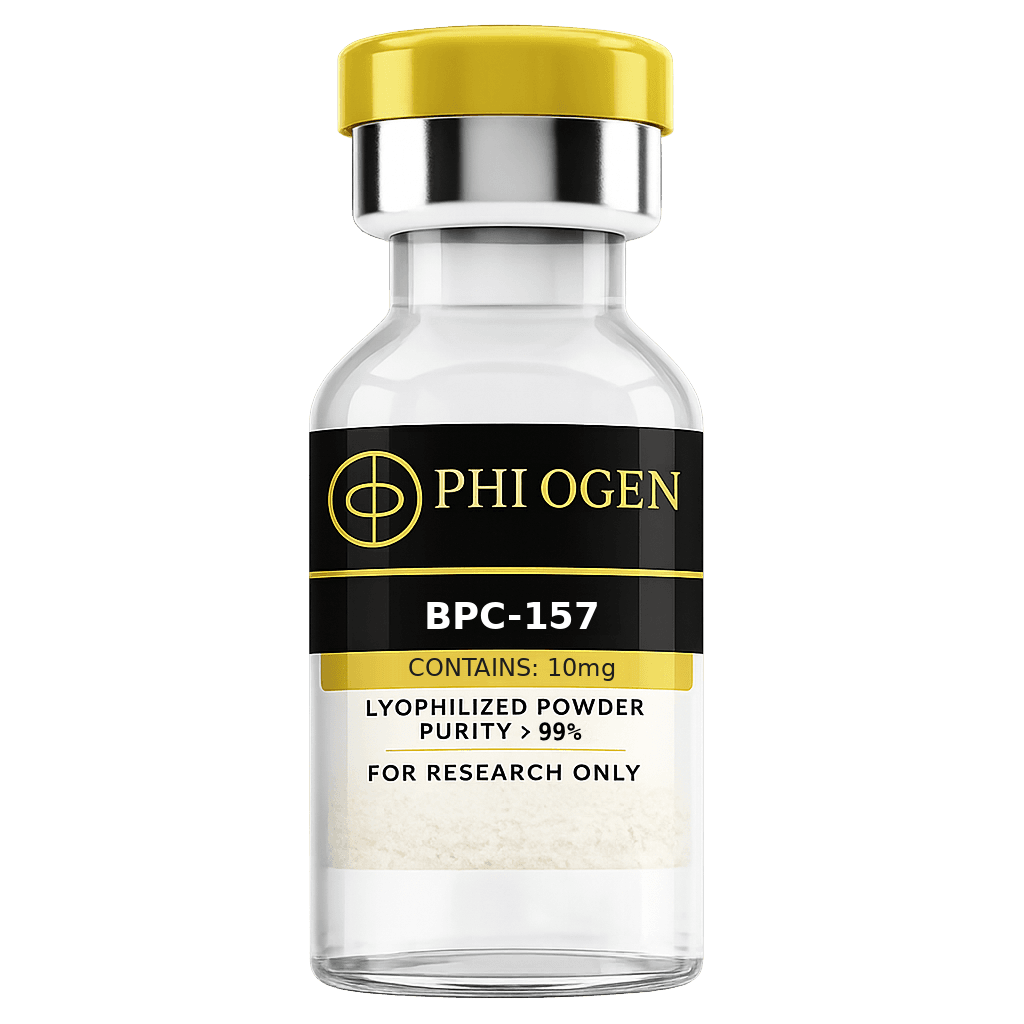
BPC-157
The #1 Healing Peptide in the World
Buy BPC-157 — BPC-157 is the most studied healing peptide — accelerates tendon, ligament, muscle, and gut repair with zero systemic side effects and no known LD50.
 Healing
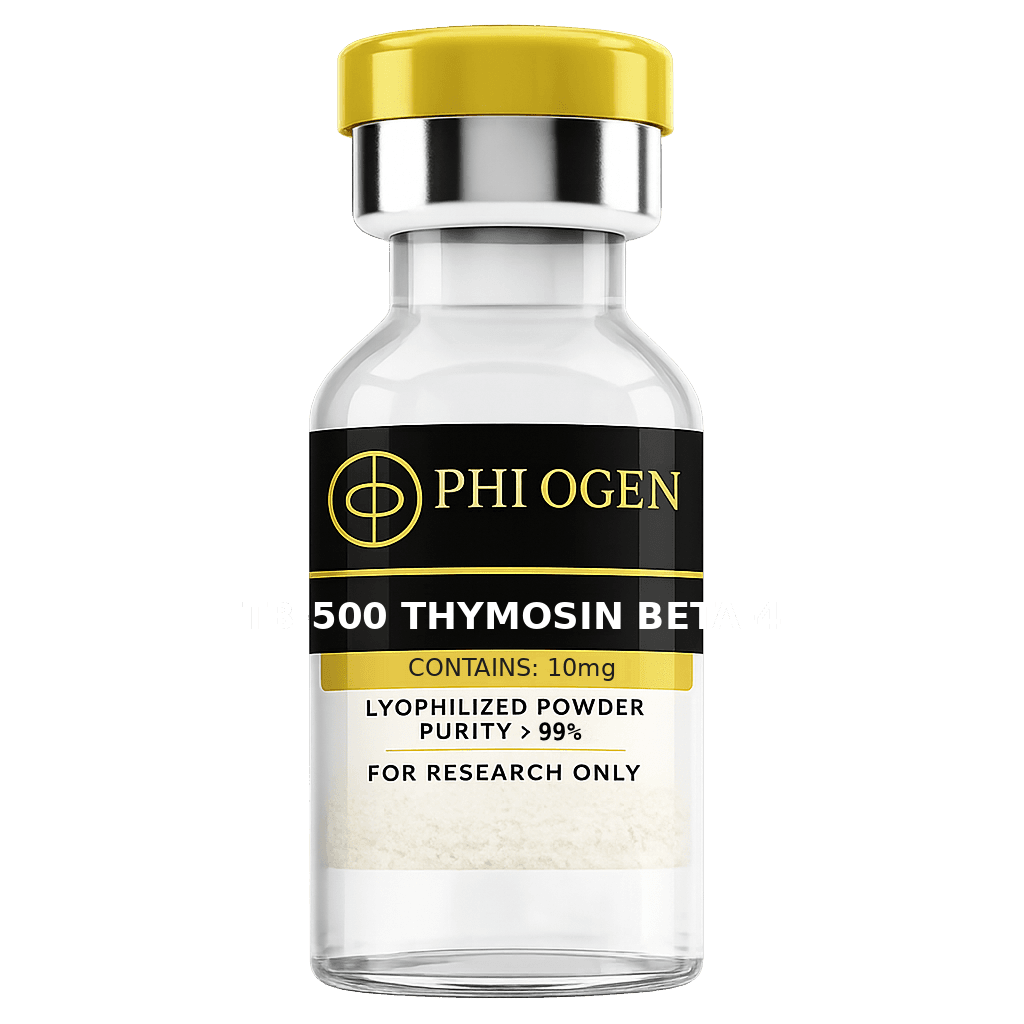
TB-500
Systemic Body-Wide Repair & Flexibility
TB-500 For Sale — TB-500 (Thymosin Beta-4) provides systemic healing — mobilizes stem cells, repairs muscles and tendons simultaneously, and dramatically improves flexibility.
 Healing
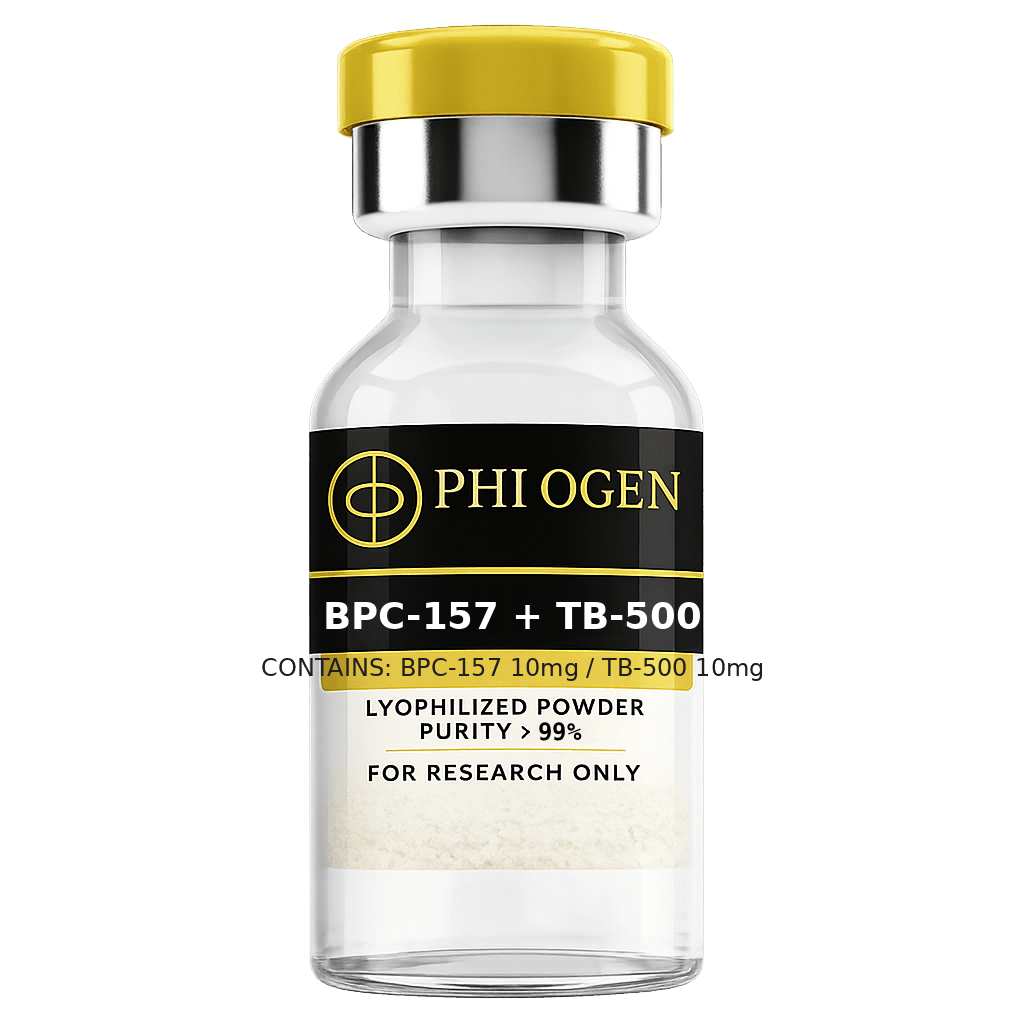
BPC-157 + TB-500 Blend 20mg
Dual-peptide synergy for accelerated tissue repair and recovery
Buy BPC-157 + TB-500 Blend 20mg — A 20mg blend of BPC-157 (10mg) and TB-500 (10mg) combining gut-brain healing with systemic tissue remodeling for comprehensive injury recovery.
 Healing
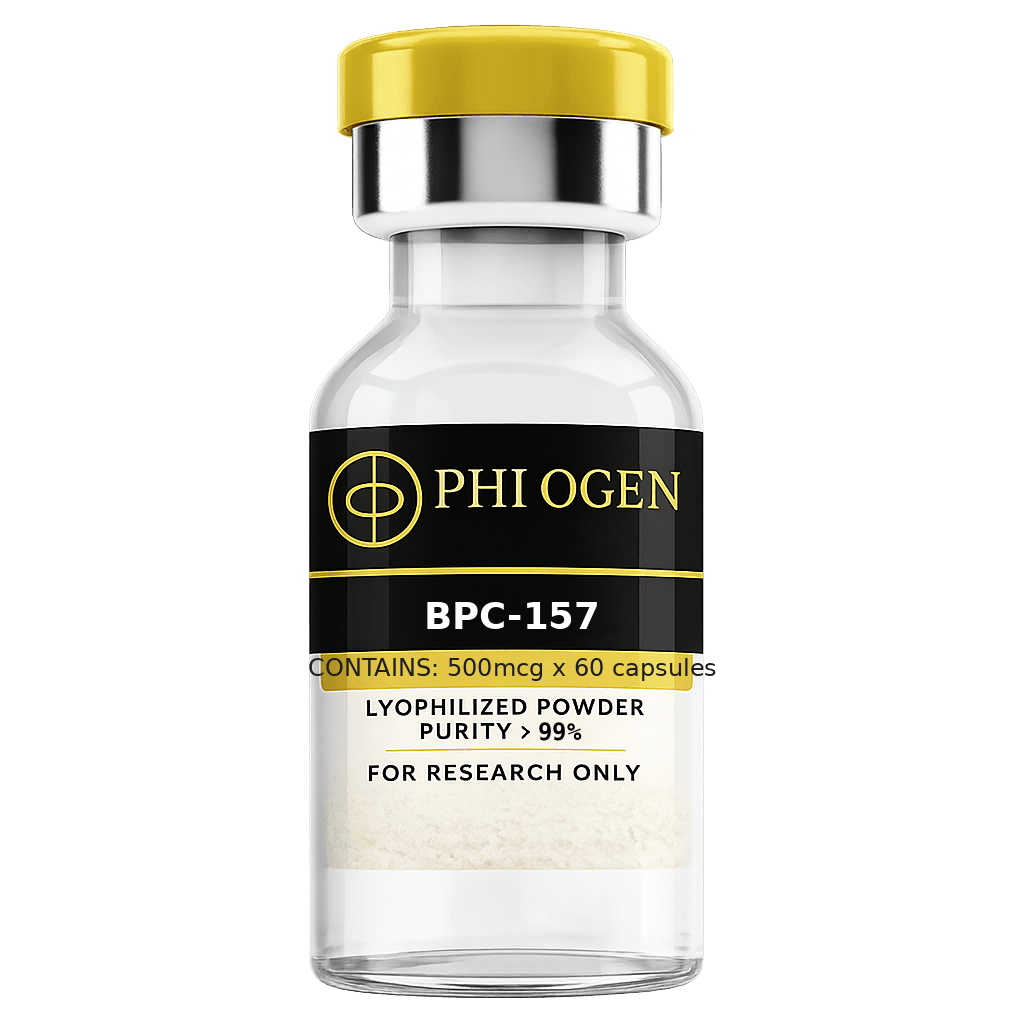
BPC-157 Capsules 500mcg x60
Oral BPC-157 for gut-targeted healing and systemic recovery
Cheap BPC-157 Capsules 500mcg x60 — 60 capsules of 500mcg BPC-157 each — the needle-free option for gut healing, leaky gut, and systemic recovery via oral administration.
 Healing
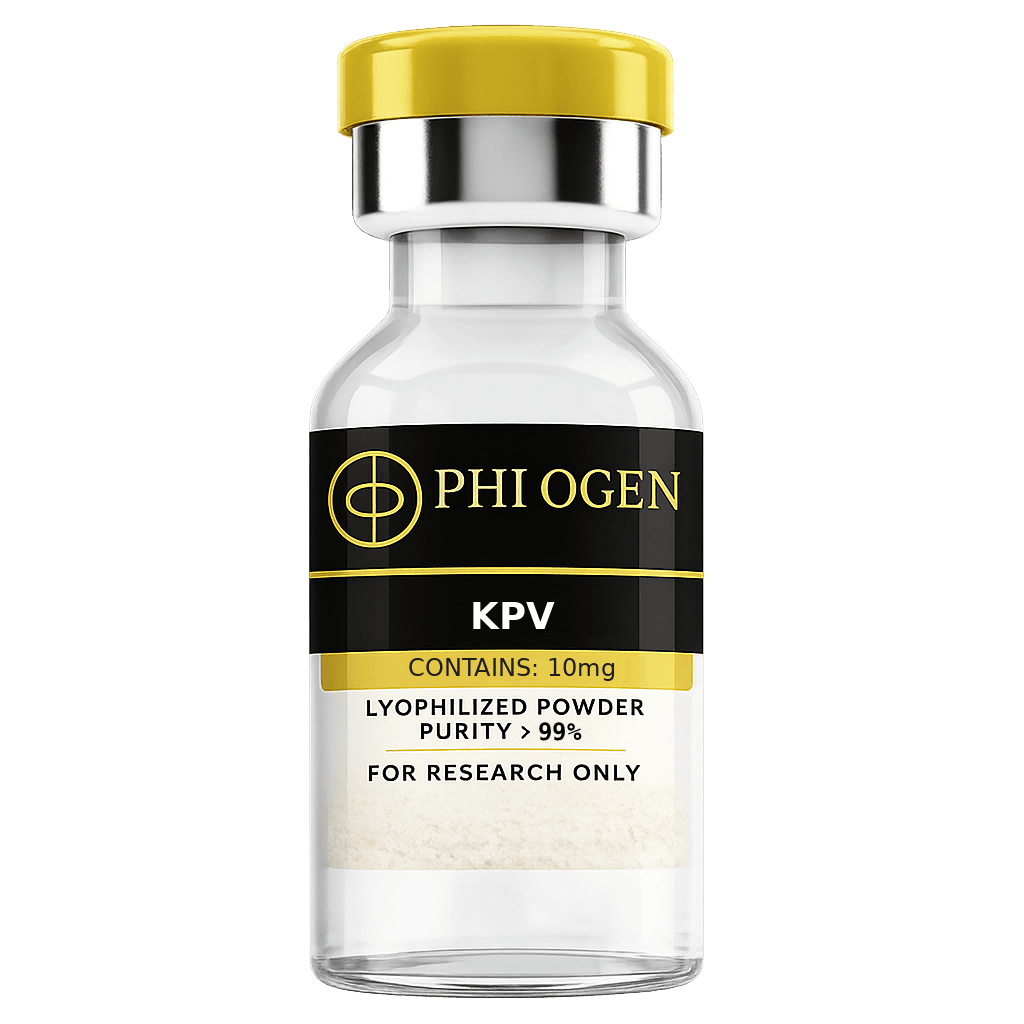
KPV 10mg
Anti-inflammatory tripeptide for gut healing and immune modulation
KPV 10mg For Sale — KPV (Lys-Pro-Val) is a naturally occurring C-terminal alpha-MSH tripeptide with potent anti-inflammatory properties targeting the gut lining and immune system.
 Healing
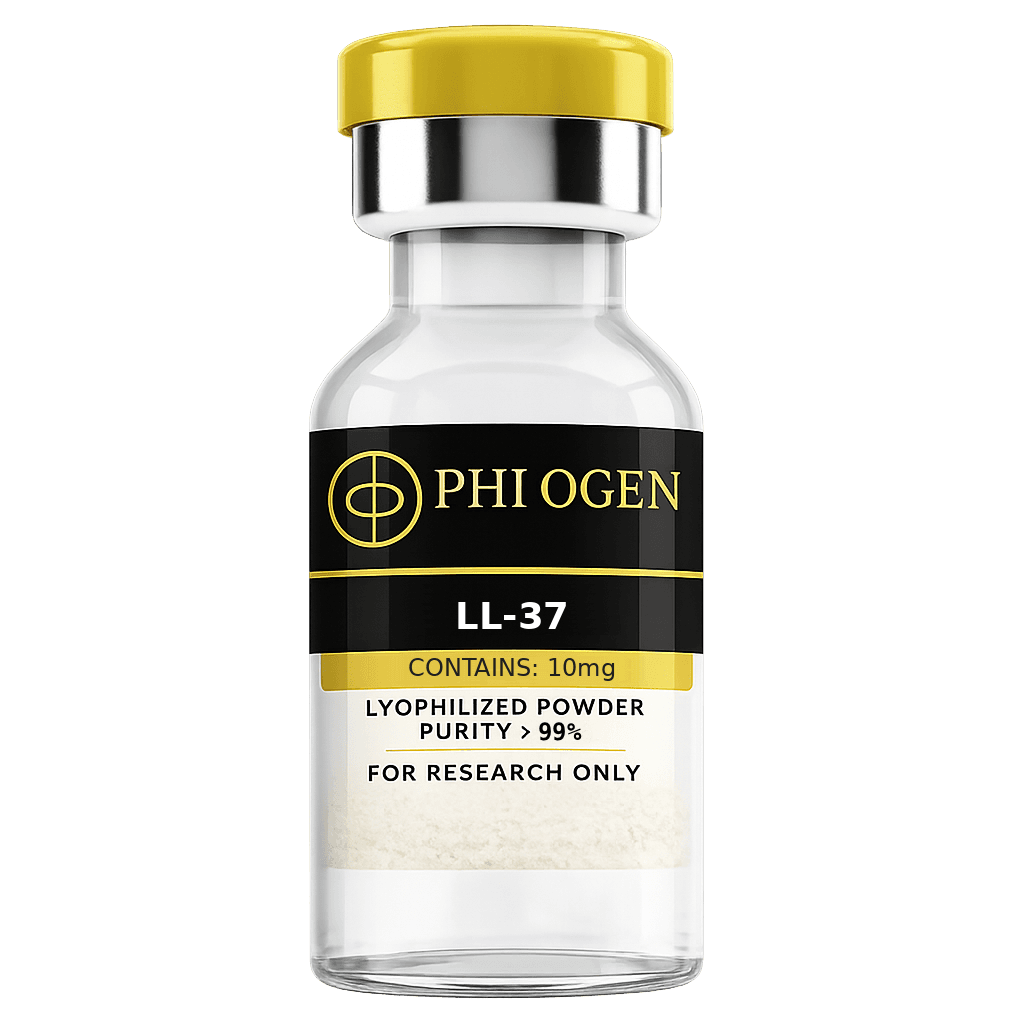
LL-37 5mg
Human host defense peptide with antimicrobial and immunomodulatory properties
Cheap LL-37 5mg — LL-37 is the only human cathelicidin — a host defense peptide that kills bacteria, modulates immune responses, and promotes wound healing and angiogenesis.
 Healing
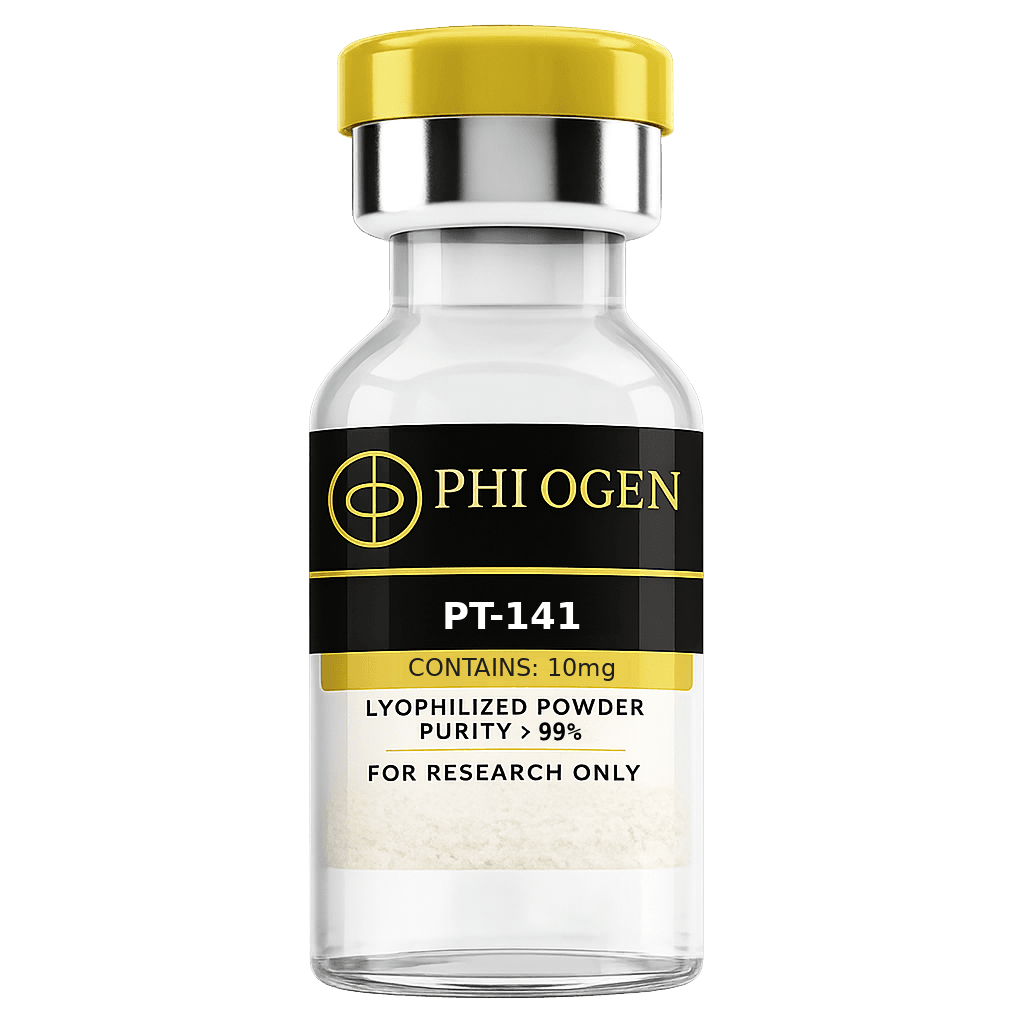
PT-141 (Bremelanotide) 10mg
Melanocortin-based peptide for sexual health and libido enhancement
Verified PT-141 (Bremelanotide) 10mg — PT-141 (Bremelanotide) is an FDA-referenced melanocortin receptor agonist that enhances sexual arousal and libido in both men and women through central nervous system pathways.
 Healing
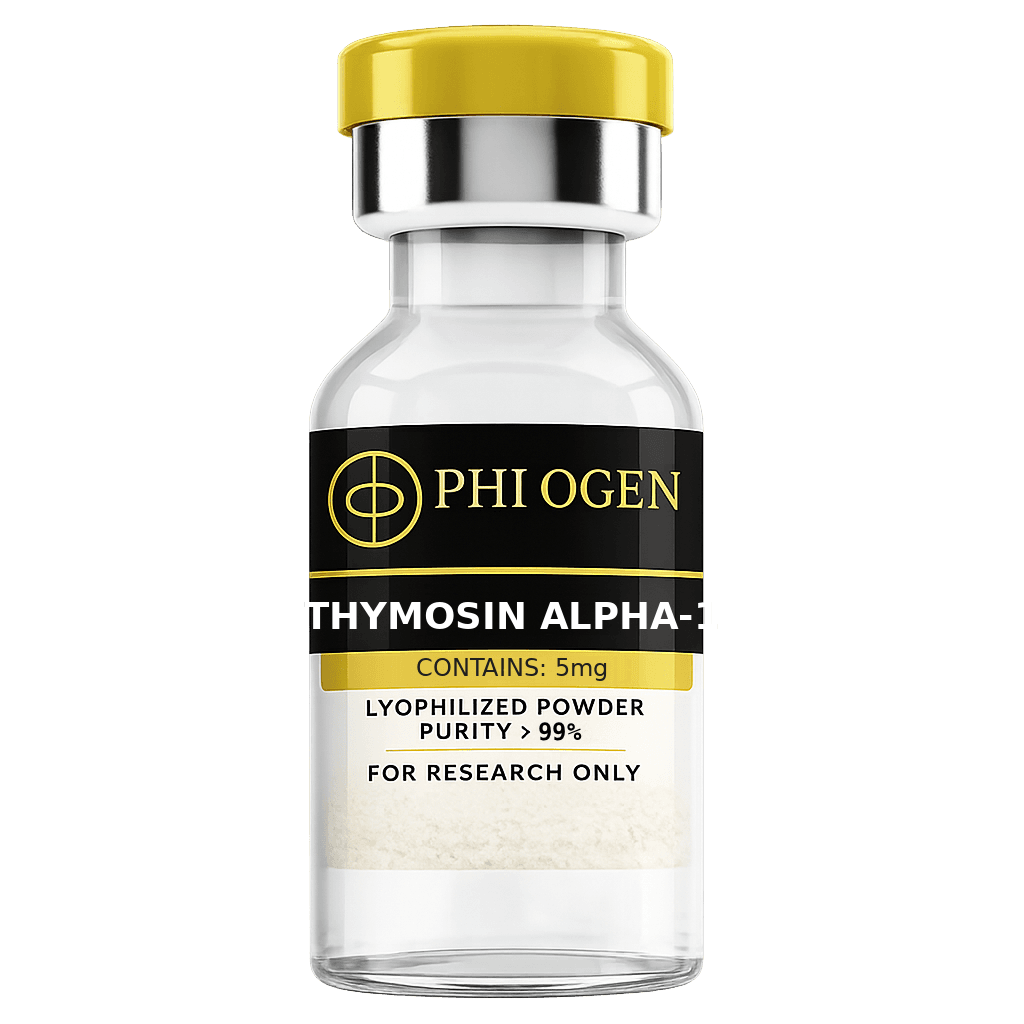
Thymosin Alpha-1 5mg
Immune-regulating thymic peptide for immune function and chronic infection support
Verified Thymosin Alpha-1 5mg — Thymosin Alpha-1 (Tα1) is an endogenous thymic peptide that modulates T-cell function, enhances antiviral immunity, and has FDA-approved applications in cancer and hepatitis treatment.
 Healing
TB4-Frag 2mg
Active TB-500 fragment for targeted repair without full Tβ4 activity
Buy TB4-Frag 2mg — TB4-Frag is the active actin-binding fragment of Thymosin Beta-4, providing targeted tissue repair and anti-inflammatory activity at lower cost than full TB-500.
 Healing
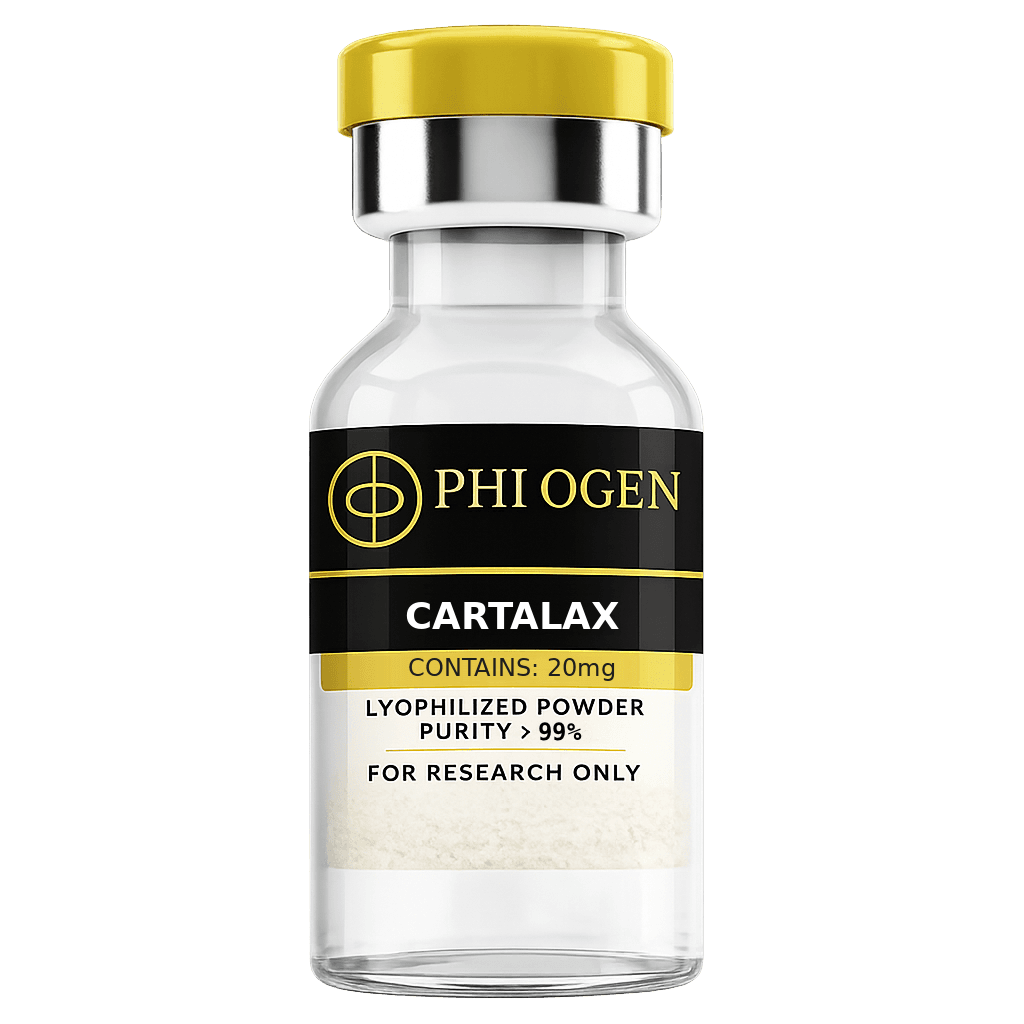
Cartalax 20mg
Cartilage bioregulator peptide for joint regeneration and connective tissue longevity
Verified Cartalax 20mg — Cartalax is a cartilage bioregulator tripeptide that restores chondrocyte gene expression, supports joint regeneration, and addresses the root cause of age-related cartilage degeneration.
 Healing
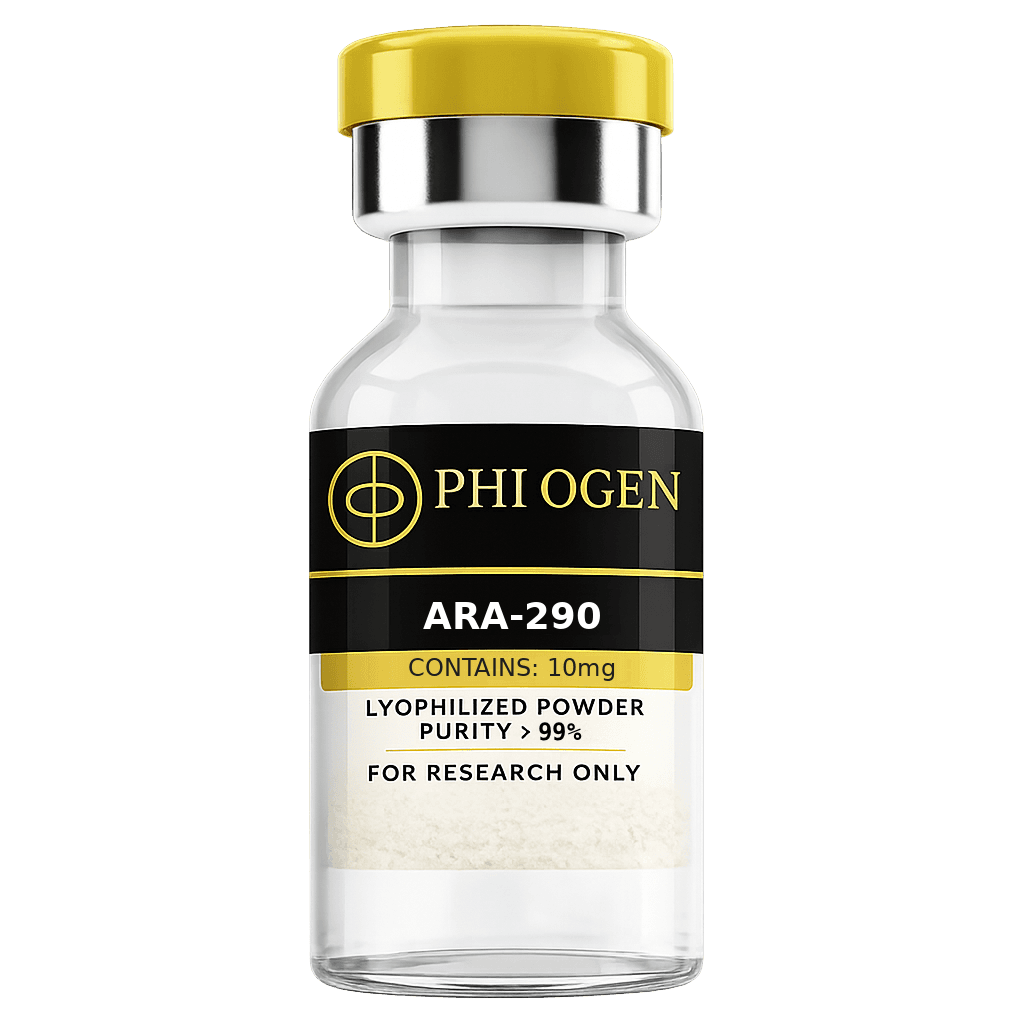
ARA-290 4mg
Erythropoietin-Derived Neuropeptide for Nerve Repair
Trusted ARA-290 4mg — ARA-290 is a non-hematopoietic erythropoietin peptide that repairs small fiber neuropathy and reduces neuroinflammation — studied clinically for diabetic neuropathy.
HealingBPC-157 Nasal Spray 500mcg/mL
Intranasal BPC-157 — Direct CNS and Sinus Delivery
Cheap BPC-157 Nasal Spray 500mcg/mL — BPC-157 intranasal spray delivers the peptide directly through the nasal mucosa for CNS, sinus, and systemic effects — needle-free alternative with rapid onset.
 Healing
FGL2 (Fibroleukin) 1mg
Immune Modulation and Anti-Inflammatory Peptide
Trusted FGL2 (Fibroleukin) 1mg — FGL2 (Fibroleukin) is an immune checkpoint molecule that expands regulatory T cells (Tregs) and reduces autoimmune inflammation — studied for tolerance induction and chronic inflammation.
Common Questions
Can I use BPC-157 orally or does it need to be injected?+
BPC-157 is active both orally and via subcutaneous injection. For gut and systemic conditions, oral use is convenient and effective. For localized injuries (tendon, ligament), subcutaneous injection near the site is more targeted, though oral administration also shows systemic effects.
How long until I see results with BPC-157?+
Most users report noticeable improvement in pain and function within 1–2 weeks. Structural tissue healing (tendon/ligament repair) typically shows measurable progress at 4–6 weeks on imaging. Gut healing often occurs fastest — within days to 2 weeks.
Is BPC-157 safe to use long-term?+
BPC-157 has no known LD50 (lethal dose) in animal studies — no dose has been found to cause systemic toxicity. Researchers have studied it for over 30 years without identifying meaningful side effects. Standard protocols run 4–8 weeks with optional breaks.
Should I take BPC-157 and TB-500 together?+
Yes — they are complementary and synergistic, not redundant. BPC-157 drives local healing at the injury site; TB-500 provides systemic effects and stem cell mobilization. Used together they consistently produce faster and more complete recovery than either alone.
What is KPV and how does it fit into healing protocols?+
KPV (Lys-Pro-Val) is a tripeptide fragment of α-MSH with potent anti-inflammatory properties. It is particularly effective for gut inflammation, IBD, and Crohn's disease. It can be used alongside BPC-157 as an oral supplement for gut-focused protocols.
Can I use ice or heat therapy alongside BPC-157?+
Yes, with important nuances. Cold (ice) therapy reduces acute inflammation and swelling — which aligns well with BPC-157's anti-inflammatory mechanisms in the first 72 hours. After the acute phase, heat therapy promotes vasodilation and increases local blood flow, complementing BPC-157's VEGF-driven neovascularization. The important exception: prolonged ice application (cryotherapy longer than 20 minutes) has been shown to impair macrophage activity and slow the transition to the proliferative healing phase. Use ice conservatively in the first 48 hours, then transition to heat from day 3 onward.
Do NSAIDs interfere with BPC-157?+
Yes — this is an important consideration. NSAIDs (ibuprofen, naproxen, aspirin) work by inhibiting COX-1 and COX-2 enzymes, reducing prostaglandin synthesis. BPC-157 modulates some of the same prostaglandin pathways as part of its anti-inflammatory activity. More significantly, COX enzymes are involved in the downstream signaling that BPC-157 leverages for tissue repair — and NSAID-mediated COX inhibition has been shown in several studies to blunt BPC-157's healing response. Additionally, NSAIDs are known to independently impair bone healing, tendon healing, and gut integrity — the opposite of what BPC-157 is doing. If you are on this stack or any BPC-157 protocol, minimize or eliminate NSAID use. If pain management is necessary, acetaminophen (paracetamol) does not share these interactions.
What bloodwork should I monitor during a healing protocol?+
BPC-157 and TB-500 have no known effects on the hormonal axes, liver enzymes, or kidney function at standard research doses. However, for comprehensive monitoring during extended protocols, useful baseline and follow-up markers include: CRP (C-reactive protein) as an inflammation marker — should decrease over time on the protocol; IGF-1 if running extended protocols, as BPC-157's growth hormone receptor upregulation may subtly increase IGF-1 in some users; complete blood count (CBC) to establish baseline; and a basic metabolic panel for kidney and liver function. For users over 50 or with pre-existing conditions, quarterly bloodwork during extended protocols is a reasonable precaution. There are no specific markers that indicate BPC-157 or TB-500 toxicity — the primary purpose of monitoring is baseline health assessment rather than peptide-specific safety surveillance.
Start Healing Faster Today
BPC-157 and TB-500 from our recommended supplier — COA verified, US domestic, ships in 24–48 hours.
No prescription needed. COA-verified purity. Same-day processing.