Peptides That Work With Your Axis
Testosterone replacement shuts down your natural production. These peptides work the other way — they remind your body how to make testosterone itself. Kisspeptin triggers the hypothalamic signal. Gonadorelin stimulates LH release from the pituitary. BPC-157 supports the Leydig cells that do the actual synthesis. This is hormonal optimization without hormonal dependency.
The Testosterone Production Chain
Testosterone doesn't just come from the testes in isolation. It's the end product of a cascade that starts in the brain — and there are peptide-based interventions at every step. Understanding the chain explains why these peptides are so much more nuanced than just injecting T.
Hypothalamus
→ GnRH pulseKisspeptin-10Kisspeptin neurons in the hypothalamus are the master regulators of GnRH release. When kisspeptin fires, GnRH fires. No kisspeptin signal, no downstream testosterone cascade. Kisspeptin-10 is a peptide fragment that directly activates these neurons — restarting the signaling cascade from the very top.
Pituitary
→ LH / FSH releaseGonadorelinGonadorelin is synthetic GnRH — it acts directly on the pituitary to trigger LH and FSH release. LH is the signal that tells the Leydig cells in the testes to produce testosterone. Pulsed gonadorelin administration mimics the natural GnRH pulse pattern, maintaining pituitary sensitivity and testicular function.
Testes
→ Testosterone synthesisBPC-157Leydig cells convert cholesterol to testosterone when stimulated by LH. BPC-157 supports Leydig cell health through its angiogenic and cytoprotective effects, and appears to upregulate androgen receptor expression — meaning you get more signal from the testosterone you do produce. It also addresses the inflammatory environment that can suppress testicular function.
Which Protocol Fits Your Situation?
Select your situation for a personalized peptide recommendation with dosing and timeline.
Testosterone Support Protocol Selector
Select your situation to see the recommended peptide approach, dosing, and expected timeline.
Restoring Natural Production
For men with low-T symptoms (fatigue, low libido, brain fog) but intact HPTA. The goal is to stimulate your axis rather than replace what it's not making.
Triggers GnRH pulses — the upstream signal that starts testosterone production
Direct LH stimulus — tells the testes to produce testosterone
Systemic repair including Leydig cell support and androgen receptor upregulation
Timeline
8–12 weeks for measurable improvement
What to Expect
Expect gradual improvement in energy, libido, and morning erections over 4–8 weeks. Lab work at baseline and week 12 is strongly recommended.
Research peptides only. Always confirm hormonal status with bloodwork before and after any peptide protocol.

Kisspeptin-10
Kisspeptin-10 is a 10-amino-acid fragment of the kisspeptin peptide family. It activates GPR54 receptors on hypothalamic neurons, triggering GnRH pulses — the very first step in testosterone production. Research shows it can acutely raise LH and testosterone when administered subcutaneously in pulsed fashion.
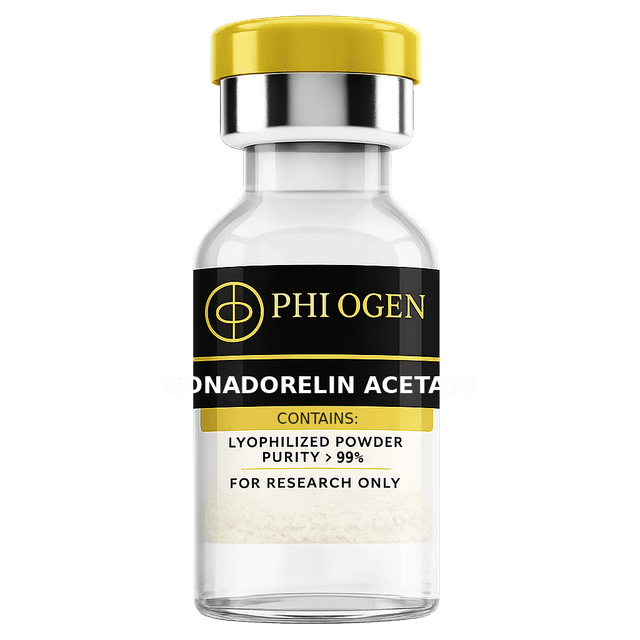
Gonadorelin
Gonadorelin is synthetic GnRH — identical to the hormone your hypothalamus secretes. It acts directly on the pituitary to trigger LH and FSH release. Used in PCT protocols and as a TRT companion to maintain testicular function, gonadorelin pulsed 2–3 times weekly prevents the testicular atrophy that typically accompanies TRT.
The GH–Testosterone Connection
Most men think of growth hormone as something separate from testosterone — a muscle-building tool for another conversation. But the GH-IGF-1 axis and the HPT axis are deeply interconnected. Optimizing GH through peptides like Sermorelin has real downstream effects on testosterone biology.
GH stimulates IGF-1 production in the liver
IGF-1 directly supports Leydig cell function and testosterone synthesis
GH enhances fat oxidation
Lower body fat percentage correlates strongly with higher natural testosterone
Sermorelin improves sleep architecture
The largest natural GH and testosterone pulse occurs during slow-wave sleep
GH-IGF-1 axis supports androgen receptor expression
More receptors = more testosterone bioavailability from the same level
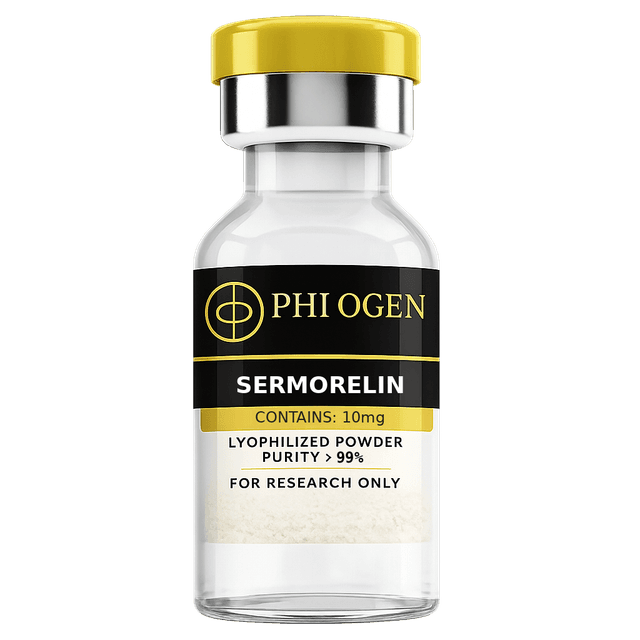
Sermorelin 10mg
Sermorelin is a GHRH analogue — it stimulates the pituitary to release GH in a physiological pulse pattern, rather than the supraphysiological blast of direct GH injection. Administered nightly (the GH-rich sleep window), it enhances the body's natural GH architecture. Over 8–12 weeks, this translates to better body composition, improved recovery, and meaningful downstream support for the testosterone axis.
Who These Peptides Are For
Men Seeing Natural Decline
T declining 1%/year after 30 is real. If you're noticing fatigue, reduced libido, slower recovery — but your bloodwork is "low normal" and doctors won't prescribe TRT — peptide support can move the needle without committing to exogenous hormones.
Post-Cycle Recovery
After suppressive anabolic cycles, the HPTA needs a reboot. Gonadorelin + Kisspeptin together restart the signaling cascade from both the hypothalamic (kisspeptin) and pituitary (gonadorelin) levels, accelerating recovery versus SERMs alone.
TRT Users Preserving Function
Men on TRT can use gonadorelin to maintain testicular function and fertility. Pulsed gonadorelin 2–3× weekly prevents atrophy while allowing the primary TRT benefits to continue — a nuanced approach increasingly used in progressive mens health clinics.
Frequently Asked Questions
Why not just use testosterone replacement therapy instead?+
Will kisspeptin actually raise my testosterone?+
Can I use these peptides during a post-cycle recovery?+
Is gonadorelin the same as HCG?+
How long until I see results from testosterone-support peptides?+
Does BPC-157 directly affect testosterone?+
Support Your Natural Testosterone Production
Kisspeptin, Gonadorelin, and Sermorelin are available as research peptides. Start with the protocol selector above to find the right approach for your situation.